

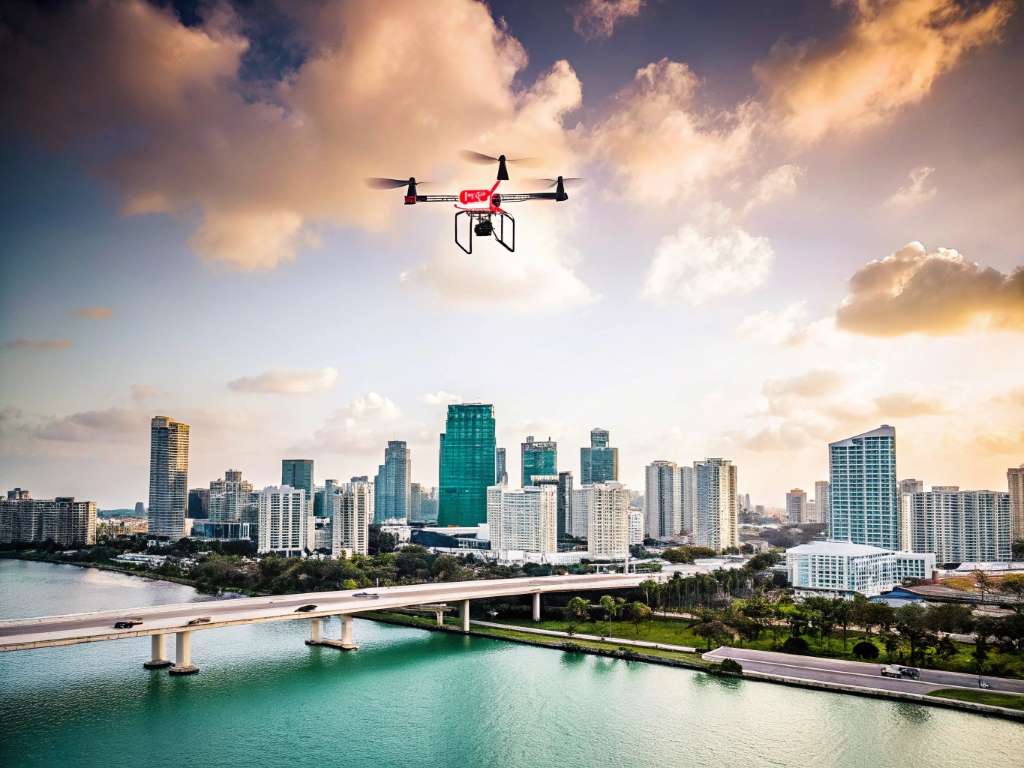
Miami’s vibrant streets pulse with life, but traffic jams can delay critical emergency responses. Imagine a heart attack victim waiting as ambulances crawl through gridlock. This reality spurred Miami to pilot drone ambulance systems, a bold leap into futuristic healthcare. These drones promise to deliver life-saving equipment, like defibrillators, in minutes, bypassing congested roads. According to a 2021 study in Sweden, drones delivered AEDs 64% faster than ambulances, saving nearly two minutes on average. My own experience witnessing a delayed ambulance in Miami’s rush hour fueled my fascination with this innovation. This blog post explores why Miami is piloting drone ambulance. Join me to uncover how drone ambulances could redefine emergency care.
The Urgent Need for Faster Emergency Response
Miami’s bustling urban landscape, with over 470,000 residents, faces unique challenges in emergency medical services. Traffic congestion often delays ambulances, especially during peak hours. The American Heart Association notes that every minute without defibrillation reduces survival chances by 7-10% for cardiac arrest victims. In 2023, Miami-Dade County reported over 1,200 out-of-hospital cardiac arrests, highlighting the stakes. Traditional ambulances struggle to navigate crowded streets, where a five-mile trip can take 20 minutes.
Drone ambulances, however, can cover the same distance in under two minutes, flying at speeds up to 69 mph, as demonstrated by Vincenzo Navanteri’s award-winning drone concept in 2018. This speed could double survival rates, per a North Carolina study. My neighbor once shared how a delayed ambulance cost her uncle precious time. Miami’s pilot program aims to close this gap, ensuring help arrives when seconds count.
Why Miami Is the Perfect Testing Ground
Miami’s geography and climate make it ideal for drone ambulance trials. Its flat terrain and coastal location offer clear flight paths, minimizing obstacles. The city’s year-round warm weather supports drone operations, unlike colder regions where batteries drain faster. Additionally, Miami’s diverse population and tourist influx create high demand for emergency services, providing real-world testing scenarios. The FAA’s relaxed drone regulations in Florida, including the LAANC system, allow pilots to secure airspace quickly.
A 2024 report by DroneLife noted Miami’s growing drone industry, with over 500 certified pilots ready to support such initiatives. Last summer, I attended a drone demo at South Pointe Park, marveling at their precision. Miami’s tech-forward culture, backed by collaborations like NoMi Tech and Drone Training School, fosters innovation. This synergy of environment, policy, and expertise positions Miami as a leader in drone ambulance systems.
How Drone Ambulances Work
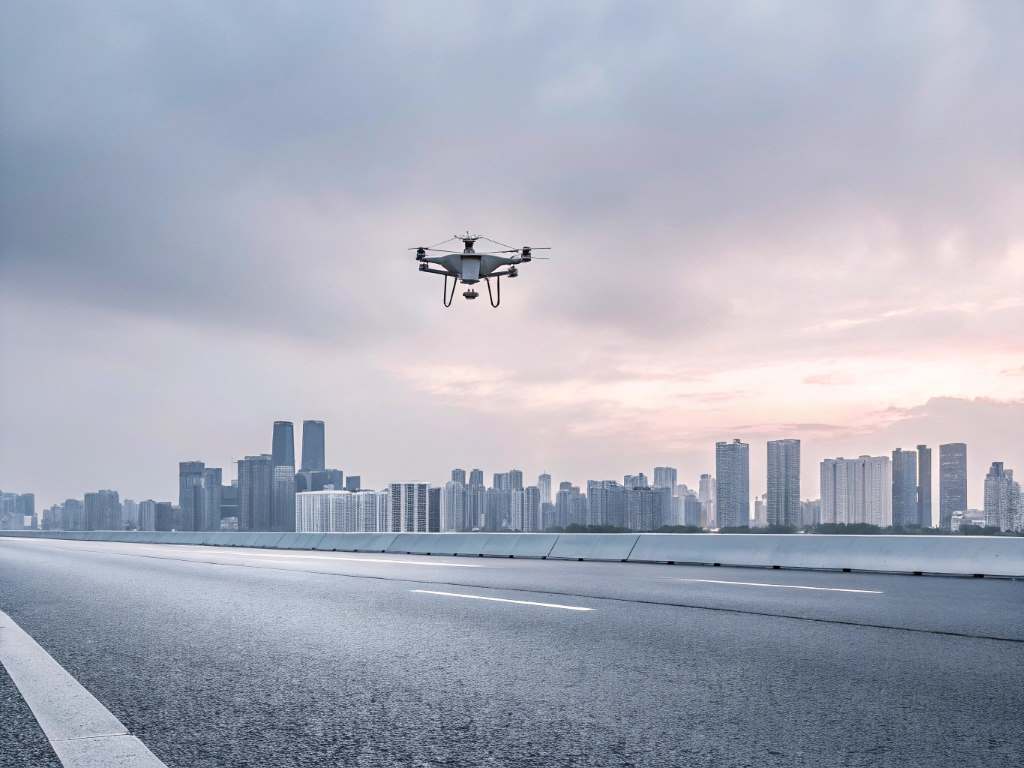
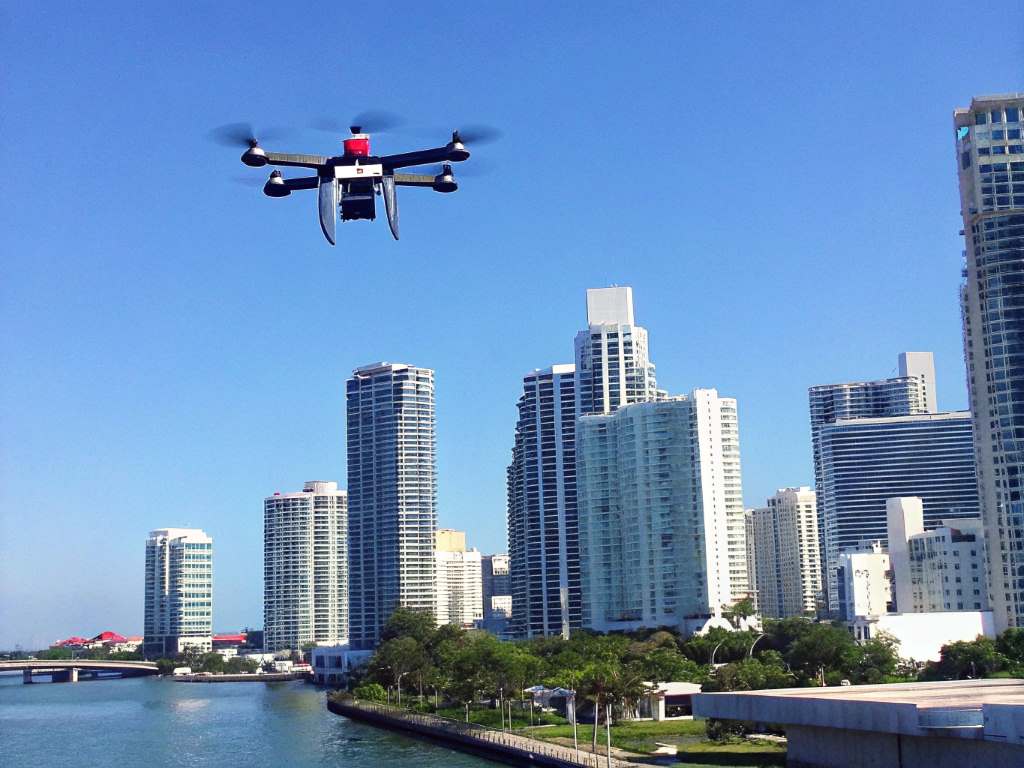
Drone ambulances are compact, autonomous quadcopters designed to carry medical supplies like AEDs or medications. Equipped with GPS and two-way communication, they can land almost anywhere, from rooftops to parks. A 2021 Swedish pilot study showed drones delivered AEDs within 9 meters of targets 92% of the time. Operators monitor flights remotely, taking manual control for complex landings. In Miami, drones could launch from EMS stations, covering a seven-mile radius in under a minute, per The Droning Company.
They feature video feeds to guide first responders, boosting initial care success from 20% to 90% for AED use. I recall a local news story about a drone delivering insulin to a stranded diabetic during a storm. These drones integrate with 911 systems, dispatching automatically upon emergency calls. This seamless technology promises to transform how Miami handles crises.
Benefits of Drone Ambulances in Miami
Drone ambulances offer transformative advantages for Miami’s emergency services. They drastically cut response times, crucial for time-sensitive conditions like cardiac arrest. A Utah study found drones could reach 80% of cardiac arrest cases within one minute, compared to 4% for traditional EMS. They also navigate urban obstacles, landing in tight spaces helicopters can’t access.
Cost-effectiveness is another perk; drones are cheaper than maintaining ambulance fleets. Environmentally, they reduce emissions, aligning with Miami’s sustainability goals. Furthermore, drones enhance rural outreach, serving areas with limited EMS access. During a community event, I saw a drone deliver medical kits, sparking excitement among locals, who even began to share their experiences on social media, raising awareness about this innovative approach. By augmenting existing infrastructure, drones ensure no one is left waiting. Miami’s pilot program could set a global standard, saving countless lives and inspiring conversations online.
Challenges and Solutions in Implementation
Despite their promise, drone ambulances face hurdles. Regulatory restrictions, like FAA rules requiring line-of-sight operations, limit scalability. Privacy concerns arise from drones’ cameras, demanding strict data protocols. Battery life and payload capacity also pose challenges for long-distance flights. However, Miami is addressing these. The FAA’s evolving policies, including beyond-visual-line-of-sight approvals, ease restrictions.
Collaborations with tech firms like Blueflite enhance drone capabilities. Public education campaigns can build trust, as seen in my conversation with a skeptical neighbor who warmed to the idea after learning about safety measures. A 2024 NASA study on drone safety systems showed improved pilot performance, supporting reliable operations. By investing in training and infrastructure, Miami can overcome these obstacles, ensuring drone ambulances soar successfully.
Tips for Supporting Drone Ambulance Programs
You can play a role in advancing Miami’s drone ambulance initiative. Here are practical steps:
- Stay Informed: Follow local news and DroneLife for updates on drone regulations and trials.
- Advocate Locally: Attend city council meetings to voice support for drone EMS funding.
- Learn Drone Basics: Enroll in a drone pilot course, like North Miami’s FAA Part 107 prep, to understand the technology.
- Spread Awareness: Share success stories on social media to build public trust.
- Volunteer: Join community tech groups like NoMi Tech to support drone-related projects.
Last year, I shared a drone ambulance article online, sparking a lively discussion among friends. These actions amplify Miami’s efforts, ensuring the program thrives.
The Future of Drone Ambulances in Miami
Miami’s pilot program could reshape emergency care nationwide. By 2030, the global drone market is projected to reach $63 billion, with healthcare as a key sector. Miami’s success could inspire other cities, creating a network of drone EMS systems. Innovations like AI-driven navigation and larger payload capacities are on the horizon.
A 2025 DroneLife report highlighted Miami’s potential to lead this revolution, given its robust drone community. I envision a day when drones deliver not just AEDs but entire medical kits, transforming rural and urban care. My hope grew after seeing a drone race at the DRL Miami Invitational, showcasing their speed and precision. As Miami refines this technology, it paves the way for a future where no life is lost to delay.
Conclusion
Miami’s drone ambulance pilot program is more than a tech experiment; it’s a lifeline for a city where seconds save lives. By tackling traffic delays and leveraging ideal conditions, Miami is pioneering a global model for emergency care. From slashing response times to reaching remote areas, drone ambulances promise hope. Challenges remain, but with community support and innovation, Miami is poised to succeed. Let’s rally behind this vision, sharing stories and advocating for progress. Have you seen drones in action or experienced EMS delays? Share your thoughts below or spread this article to spark conversation. Together, we can help Miami’s skies become a beacon of life-saving change.
FAQs
Why is Miami piloting drone ambulances?
Miami’s traffic congestion delays ambulances, so drones deliver critical supplies like AEDs faster, saving lives.
How do drone ambulances operate?
They’re GPS-guided quadcopters carrying medical supplies, monitored remotely, and integrated with 911 for rapid dispatch.
Are drone ambulances safe?
Yes, with FAA oversight, safety systems, and trained pilots, they’re designed for reliable, secure operations.
What challenges do drone ambulances face?
Regulatory limits, privacy concerns, and battery life are hurdles, but evolving tech and policies address these.
How can residents support this program?
Advocate, stay informed, learn drone basics, and share success stories to build community trust and support.