

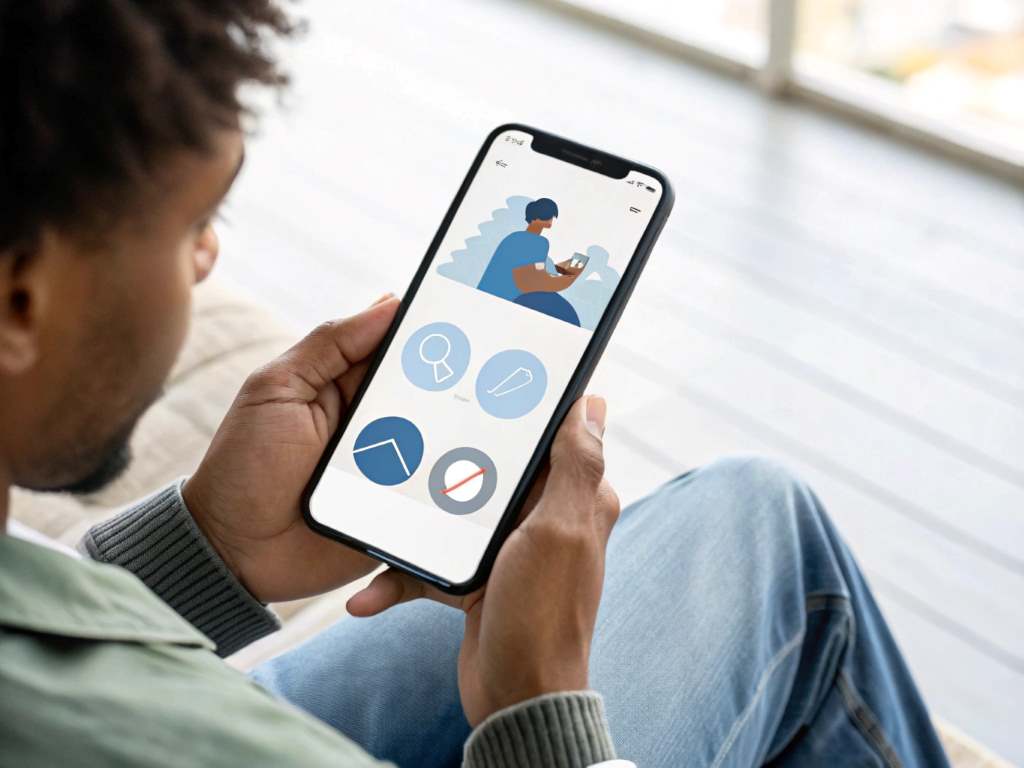
My phone buzzed, pulling me into another endless scroll. Hours vanished, and guilt crept in. Sound familiar? Social media addiction is real. Studies show 70% of adults check their phones within five minutes of waking, often spiraling into hours of mindless browsing. According to a 2023 study by Statista, the average person spends 2.5 hours daily on social platforms. That’s over 900 hours a year! I struggled with this myself, feeling trapped by notifications. Thankfully, recovery apps helped me reclaim my time. This blog post shares the best apps, practical tips, and stories to guide you toward freedom. Let’s dive into a journey of balance and control.
Understanding Social Media Addiction
Social media hooks us with instant rewards. Each like or comment triggers dopamine, keeping us glued. A 2022 study from the University of Cambridge found that compulsive social media use mirrors gambling addiction patterns. It’s not just time lost; it’s mental health. Anxiety, low self-esteem, and poor focus often follow. I noticed my productivity tanked, and stress spiked after long scrolling sessions. Apps like Instagram and TikTok are designed to keep you engaged, with algorithms curating endless content. Recognizing the problem is the first step. Recovery apps can help by limiting access, tracking usage, or encouraging healthier habits. Let’s explore how these tools work to break the cycle.
Top Recovery Apps to Break the Habit

Recovery apps are game-changers. They limit distractions, track habits, and promote mindfulness. Here are the best ones, based on user reviews and effectiveness:
- Freedom: Blocks apps and websites across devices. Custom schedules let you focus. I used it to lock TikTok during work hours, boosting my productivity.
- AppBlock: Locks specific apps for set periods. Its strict mode prevents disabling, perfect for weak willpower moments.
- StayFocused: Limits app usage with daily caps. It helped me cut Instagram time from two hours to 30 minutes daily.
- Forest: Gamifies focus. Plant virtual trees by avoiding apps. A 2024 user survey by Forest reported 85% of users felt more productive.
- Moment: Tracks phone usage and suggests daily limits. Its coaching feature offers personalized tips.
These apps empower you to set boundaries. Try one that fits your needs. Most offer free trials, so experiment to find your match.
How Recovery Apps Work
Recovery apps use smart techniques to curb addiction. Most rely on blocking, tracking, or gamification. Blocking apps like Freedom restrict access to social media during set times. Tracking apps, such as Moment, show how much time you spend on apps, often shocking you into action. Gamified apps like Forest reward you for staying off your phone, making discipline fun. A 2023 study by the Journal of Behavioral Addictions found that app-based interventions reduced screen time by 23% on average. I tried Forest, and watching my virtual forest grow kept me motivated. These apps also send reminders or nudges to stay on track. However, they work best when paired with personal commitment. Set clear goals, like limiting TikTok to 20 minutes daily, and let the app enforce it.
Practical Tips to Use Recovery Apps Effectively
Using recovery apps isn’t enough; you need a plan. Here are actionable tips to maximize their impact:
- Set Specific Goals: Decide how much time you want to spend on social media daily. I aimed for one hour total.
- Schedule App Blocks: Use apps like Freedom to block social media during work or family time.
- Review Usage Data: Check reports from apps like Moment to spot patterns. I was stunned to see I spent 15 hours weekly on X!
- Combine with Offline Habits: Replace scrolling with reading or exercise. I started journaling, which calmed my mind.
- Involve Friends: Share your goals with a buddy for accountability. My friend and I checked in weekly, keeping us motivated.
Consistency is key. Start small, like blocking apps for an hour daily, and build from there. Apps amplify your efforts, but your mindset drives success.
The Role of Mindfulness in Recovery
Mindfulness helps you resist the urge to scroll. Apps alone can’t fix the root cause—your habits. Practicing mindfulness means staying present and aware. A 2024 study by the American Psychological Association found mindfulness reduced compulsive phone use by 30%. Apps like Headspace integrate guided meditation to build this skill. I started with five-minute sessions, noticing my impulse to check X weakened. Recovery apps pair well with mindfulness by creating space for reflection. For example, Forest’s focus sessions encouraged me to breathe deeply instead of reaching for my phone. Try setting a daily mindfulness goal, like a 10-minute meditation, alongside app restrictions. Over time, you’ll crave real-world connections over digital ones. Headspace offers free trials to start.
Challenges and How to Overcome Them
Recovery isn’t smooth sailing. You’ll face hurdles, like sneaking past app blocks or feeling FOMO. I cheated AppBlock’s restrictions at first, rationalizing “just one post.” Here’s how to tackle common challenges:
- Weak Willpower: Use strict modes in apps like AppBlock to prevent disabling restrictions.
- FOMO (Fear of Missing Out): Curate your feed to follow positive accounts. I unfollowed drama-heavy pages, reducing my urge to check.
- Boredom: Fill free time with hobbies. I took up painting, which replaced late-night scrolling.
- Social Pressure: Explain your goals to friends. Most respected my need for less screen time.
A 2023 survey by Pew Research found 60% of adults struggle with FOMO from social media. Acknowledge these feelings, but stay firm. Apps provide structure, but your resolve seals the deal.
My Journey to Recovery
Two years ago, I was glued to my phone, checking Instagram every 10 minutes. Work suffered, and I felt disconnected from friends. A wake-up call came when I missed a family dinner, lost in X posts. I downloaded Freedom and set strict blocks from 9 AM to 5 PM. The first week was tough—my fingers itched to scroll. But seeing my productivity soar kept me going. I paired Freedom with Forest, planting trees during focus sessions. By month two, my screen time dropped from four hours to one. Mindfulness exercises from Calm helped me stay present. Today, I use social media intentionally, not compulsively. Recovery apps gave me tools, but my determination made the difference. You can do this too.
Building Long-Term Habits
Recovery apps are a start, but lasting change needs new habits. Focus on routines that prioritize real life over screens. I set phone-free evenings, reading books instead of scrolling. A 2024 report by Common Sense Media found consistent routines cut screen time by 25%. Create a schedule with app blocks, exercise, and social time. Replace social media with meaningful activities, like cooking or volunteering. I joined a hiking group, which filled my weekends with joy. Check in with yourself weekly, using app data to track progress. Celebrate small wins, like a day under your screen time goal. Over time, these habits become second nature. Recovery apps guide you, but your choices shape your future.
Conclusion
Social media addiction steals time and peace, but recovery apps offer a way out. Tools like Freedom, Forest, and Moment helped me break free, and they can help you too. Pair them with mindfulness, clear goals, and offline habits for lasting change. My journey wasn’t easy, but cutting screen time transformed my life. You don’t have to live chained to your phone. Start small, stay consistent, and watch your focus return. Ready to reclaim your time? Download one app today and share your progress in the comments below. Let’s inspire each other to live more fully in the real world. Don’t forget to share this post with someone who needs it!
FAQs
What are the best apps for social media addiction recovery?
Freedom, AppBlock, Forest, StayFocused, and Moment are top choices. They block apps, track usage, or gamify focus to reduce screen time.
How do recovery apps help with social media addiction?
They limit app access, monitor usage, and encourage focus. Features like blocking and gamification help build healthier phone habits.
Can mindfulness reduce social media addiction?
Yes, mindfulness reduces compulsive use by 30%, per a 2024 study. Apps like Headspace pair well with recovery tools.
How long does it take to overcome social media addiction?
It varies, but consistent use of apps and habits can show progress in weeks. Most see major changes in 1–3 months.
Are recovery apps free to use?
Many, like Forest and Moment, offer free versions with basic features. Premium plans, often $5–$10 monthly, unlock advanced tools.