

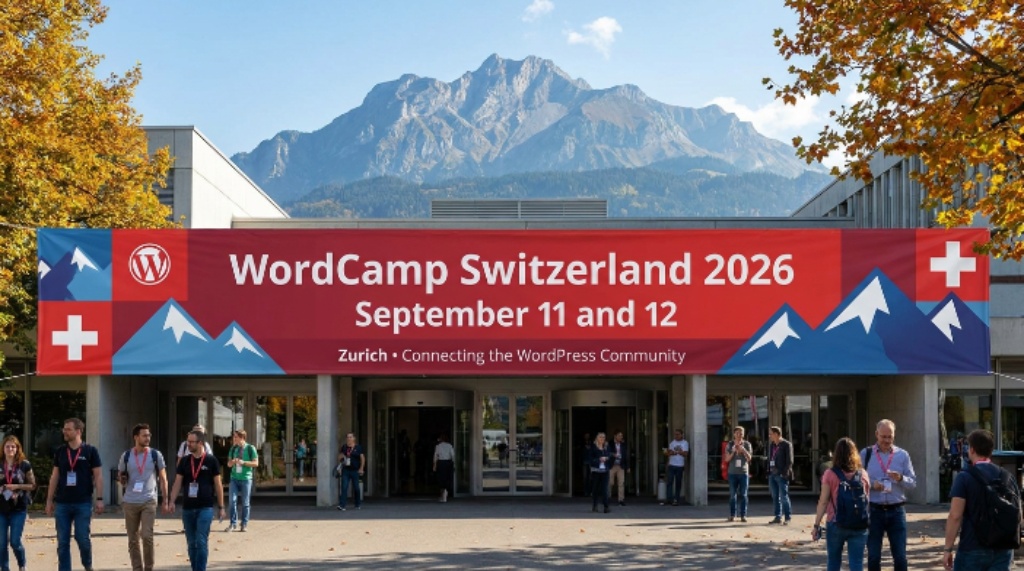
The WordPress community across Europe has a reason to celebrate this autumn. WordCamp Switzerland 2026 is confirmed for September 11 and 12, 2026. This two-day event gathers WordPress users, developers, designers, content creators, and digital professionals in one of Europe’s most welcoming countries.
Switzerland has long been known for its precision and quality. Therefore, it is no surprise that this edition promises a well-organized, content-rich experience for everyone who attends. Whether you build websites professionally or use WordPress for a personal blog, this event has something meaningful for you.
What Is WordCamp and Why Does It Matter?
WordCamp is a community-organized conference centered on WordPress. Events are held all over the world throughout the year. Each one is planned and run by local volunteers who are passionate about the WordPress ecosystem.
These events are not corporate conferences. They are community gatherings. The atmosphere is open, collaborative, and welcoming. Additionally, they are among the most affordable tech conferences you can attend, making access to expert knowledge genuinely democratic.
WordCamp Switzerland holds a special place in the European WordPress calendar. It draws attendees from Switzerland, Germany, France, Austria, and beyond. The Swiss edition has built a reputation for high-quality sessions and a strong sense of community.
Event Dates and Format
WordCamp Switzerland 2026 runs across two full days, September 11 and 12, 2026. The two-day format allows for a richer program without rushing through sessions. Day one typically focuses on talks and presentations. Day two often includes workshops and more interactive formats.
This structure gives attendees variety. You can absorb insights from expert speakers on the first day and then apply those ideas in hands-on workshops on the second. However, the exact daily schedule will be published through official channels as the event draws closer.
The event follows the standard WordCamp model, which keeps ticket prices low to encourage broad participation. Contributor days are also a common addition, giving community members a chance to actively contribute to WordPress core, documentation, or translation projects.
Venue and Location
Switzerland offers an excellent setting for a tech conference. The country is centrally located in Europe, making it easy to reach from neighboring nations. Detailed venue information, including the city and specific address, will be announced on the official WordCamp Switzerland website.
Past editions have been hosted in cities like Zurich and Basel. Both cities offer strong transport links, a wide range of accommodation options, and a vibrant local tech scene. Additionally, Switzerland’s reputation for hospitality ensures that international visitors feel comfortable and well-supported throughout their stay.
Attendees traveling from outside Switzerland should check visa requirements and plan travel early. September is a popular month for tourism in Switzerland, so booking accommodation ahead of time is a smart move.
Registration: How and When to Sign Up
Registration for WordCamp Switzerland 2026 will open through the official WordCamp website at wordcamp.org. Tickets are typically priced to be accessible, often between 20 and 50 euros, which usually includes meals and event materials.
The registration page goes live once organizers complete their planning milestones. Therefore, the best approach is to follow the official WordCamp Switzerland social media accounts and subscribe to the event newsletter. This way, you receive an alert as soon as tickets become available.
Seats sell out. That is a consistent pattern at popular WordCamp events. Early registration is strongly encouraged, especially for workshop sessions, which tend to have limited capacity. Speaker applications and volunteer sign-ups also open separately and are worth watching for if you want a more active role at the event.
Expected Speakers and Session Themes
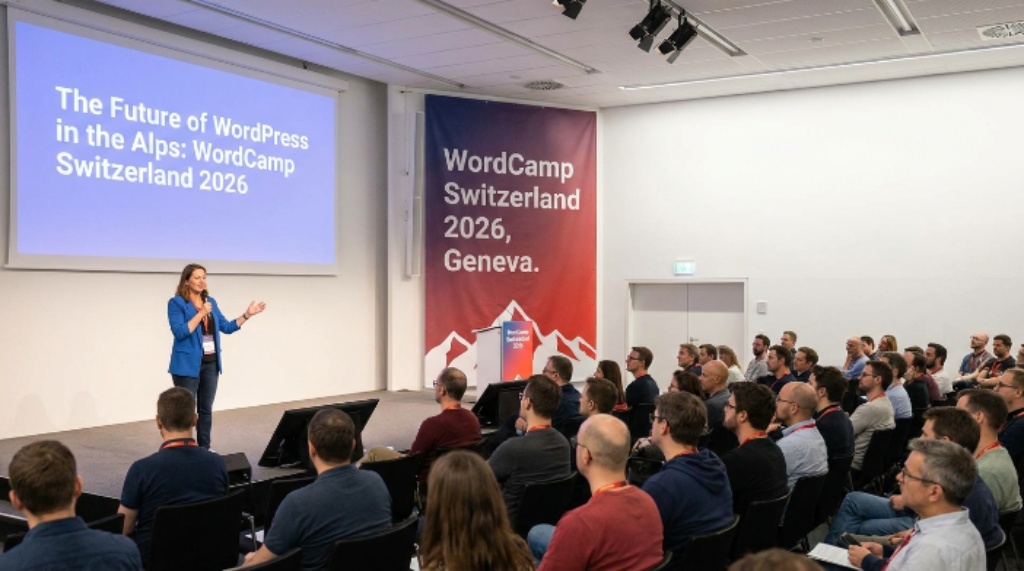
WordCamp Switzerland 2026 will feature a diverse lineup of speakers. The community model means speakers come from a wide range of backgrounds. You will hear from freelance developers, agency owners, open-source contributors, UX designers, and digital marketers.
Session themes at Swiss WordCamps typically cover areas such as:
- WordPress block editor and Full Site Editing developments
- Website performance and core web vitals
- WooCommerce setup, optimization, and scaling
- Accessibility and inclusive web design
- WordPress security best practices
- SEO strategies for WordPress websites
- Gutenberg plugin updates and future roadmap
- Multilingual websites, which is particularly relevant in a country with four official languages
Additionally, sessions are often delivered in multiple languages, including English, German, and French. This reflects the multilingual nature of Switzerland and makes the event more inclusive for all attendees.
Speaker applications are usually open for several months before the event. If you have expertise to share, submitting a talk proposal is a rewarding way to contribute to the community.
Workshops and Contributor Day
Beyond the main sessions, WordCamp Switzerland 2026 is expected to include workshops. These are smaller, more focused gatherings where participants work through a topic together with a facilitator.
Workshop topics often include building custom Gutenberg blocks, optimizing WooCommerce stores, or setting up multisite installations. These sessions are practical and interactive. Attendees leave with new skills they can use right away.
Contributor Day is another highlight. On this day, participants join teams working on real WordPress projects. Whether you write code, translate content, test features, or create documentation, there is a team for you. No advanced technical skills are needed to contribute. However, enthusiasm and willingness to learn go a long way.
Contributor Day strengthens the WordPress project itself. Every improvement made during these sessions benefits millions of websites around the world. It is one of the most meaningful ways to spend time at a WordCamp.
Networking and Community Experience
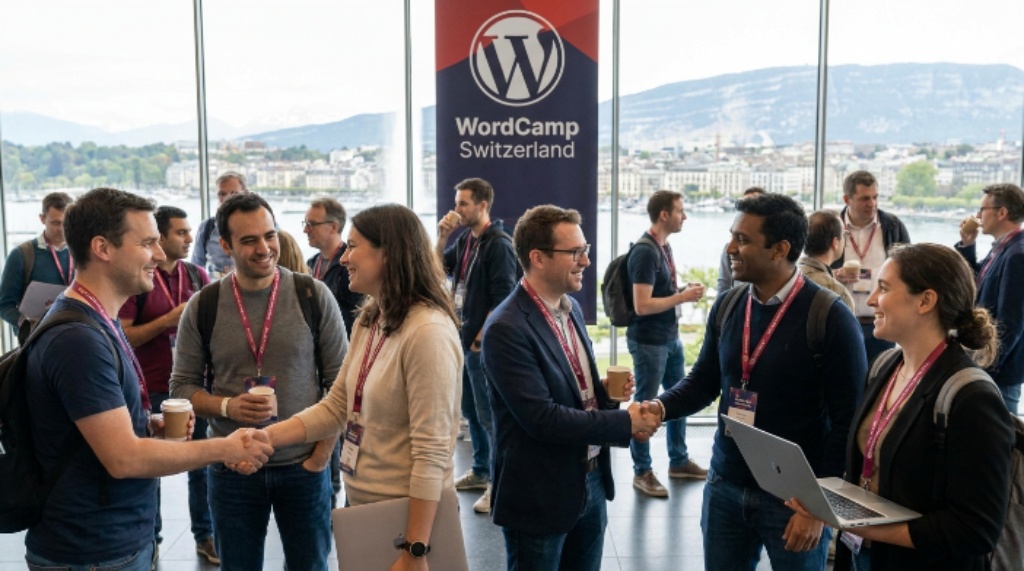
One of the greatest values of attending a WordCamp is the people you meet. The WordPress community is known for being friendly, generous, and supportive. Conversations at these events often lead to collaborations, job opportunities, and lasting friendships.
WordCamp Switzerland 2026 will offer structured and informal networking opportunities. Lunch breaks, evening social events, and coffee queues all become spaces for genuine connection. Therefore, even if the sessions themselves did not exist, the networking alone would justify attending.
For professionals, meeting peers from other Swiss cities and neighboring countries can open new doors. Freelancers often find clients. Developers often find collaborators. Designers often find inspiration. The community aspect of WordCamp is not an afterthought. It is central to what makes these events special.
Why Attend This Event?
There are many reasons to attend this event. Here are a few that stand out.
- You get two full days of focused learning at a very low cost
- Sessions cover beginner to advanced topics, so all skill levels are welcome
- You meet WordPress professionals from across Europe in one place
- Workshops offer hands-on practice, not just theory
- Contributing to WordPress Core on Contributor Day has a real global impact
- Switzerland is a beautiful and accessible destination in early autumn
Additionally, attending a WordCamp is one of the best ways to stay current with WordPress developments. The platform evolves quickly. Sessions at these events reflect the latest updates, tools, and best practices. You leave better equipped than when you arrived.
Staying Updated on the Latest News
The most reliable source for news about this event is the official event website. It will publish speaker announcements, session schedules, ticket links, and venue details as they become available.
Social media channels, including Twitter/X and LinkedIn, are also active sources of updates. The local WordPress user groups in Switzerland are worth following as well. They often share early information and host preparatory meetups before the main event.
Joining the WordPress Slack community is another effective way to stay connected. There are dedicated channels for WordCamp organizing teams where discussions happen in real time.
Conclusion
WordCamp Switzerland 2026, taking place on September 11 and 12, 2026, is shaping up to be a standout event in the European WordPress calendar. It brings together two days of expert sessions, hands-on workshops, contributor activities, and genuine community connection. The event is affordable, inclusive, and rich with learning opportunities for all skill levels.
From seasoned developers to first-time attendees, everyone finds value at this gathering. Switzerland provides a superb backdrop, and the local organizing team consistently delivers a high-quality experience. Register early, follow the official channels for updates, and prepare to make the most of two inspiring days with the WordPress community.
Frequently Asked Questions
What is WordCamp Switzerland 2026?
It is a community-organized WordPress conference taking place on September 11 and 12, 2026, in Switzerland. It features sessions, workshops, and a contributor day for WordPress users and professionals.
How much does a ticket cost?
Tickets are typically priced between 20 and 50 euros and usually include meals and event materials. Exact pricing will be confirmed on the official registration page.
Where will the event be held?
The venue will be announced on the official WordCamp Switzerland website. Past editions have been held in cities such as Zurich and Basel, both of which are well connected by rail and air.
Can I speak or volunteer at the event?
Yes. Speaker applications and volunteer sign-ups open separately from ticket registration. Follow the official event website and social media channels for announcements on when these open.
Who should attend WordCamp Switzerland 2026?
Anyone who uses or is curious about WordPress is welcome. This includes developers, designers, content creators, bloggers, digital marketers, agency owners, and students entering the web industry.