

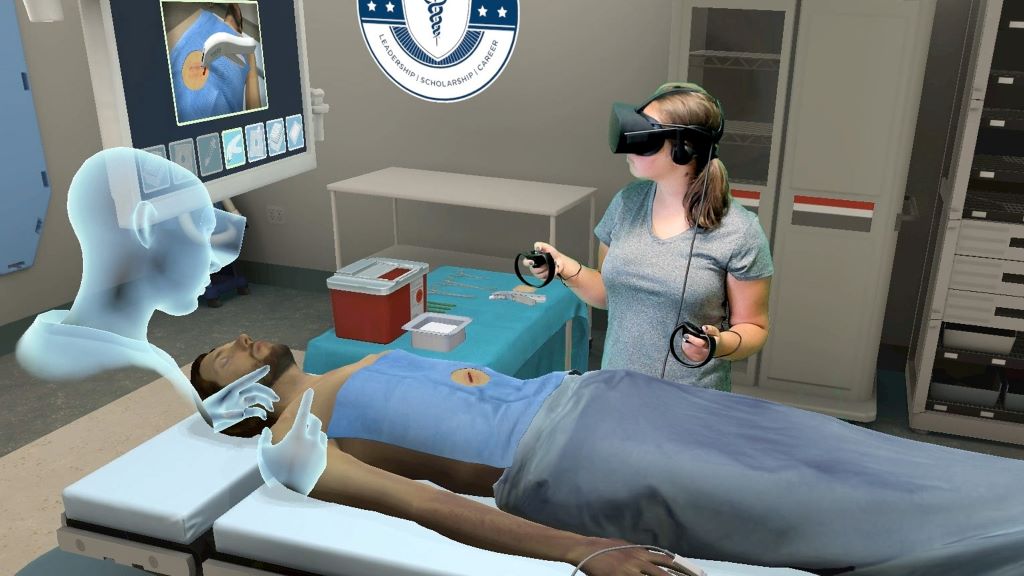
Imagine a world where doctors train in virtual operating rooms, patients recover through immersive therapy, and diagnoses happen faster than ever. This isn’t science fiction—it’s the reality of how AI and VR are merging to create smarter healthcare solutions. Artificial intelligence (AI) and virtual reality (VR) are transforming healthcare, blending data-driven precision with immersive experiences. From surgical simulations to personalized rehabilitation, these technologies are reshaping patient care and medical training. In this article, we’ll explore their synergy, share stories of real-world impact, and uncover the challenges and opportunities ahead. Join us on a journey through cutting-edge innovations that promise a healthier future.
Revolutionizing Medical Training with Immersive Simulations
Medical training has long relied on textbooks and cadavers. However, AI and VR are changing that. Virtual reality creates lifelike simulations, letting students practice surgeries without risk. AI enhances these by adapting scenarios to individual performance. For instance, a medical student struggling with suturing gets tailored feedback from an AI-driven VR system, adjusting the difficulty in real-time. This synergy fosters faster skill acquisition. At Stanford University, VR training reduced surgical errors by 40% in a 2023 study (Stanford Medicine).
Moreover, interdisciplinary training thrives in virtual environments. Nursing and medical students collaborate in VR, practicing teamwork in high-stakes scenarios. AI tracks their decisions, offering insights to improve communication. A friend, a nursing student, shared how VR simulations helped her master emergency response. She felt ready for real crises. Yet, challenges like high costs and faculty training persist. Despite these, the immersive learning revolution is undeniable, preparing professionals for complex clinical demands.
Enhancing Patient Care Through Personalized Solutions
AI and virtual reality are personalizing healthcare like never before. AI analyzes patient data, identifying patterns to tailor treatments. VR complements this by offering immersive therapy environments. For example, a cancer patient uses VR to visualize their treatment plan, reducing anxiety. AI adjusts the VR experience based on their emotional responses, ensuring comfort. This fusion creates patient-centric care. A 2024 study found VR therapy improved patient adherence by 25% (PMC).
Additionally, remote consultations benefit from this technology. VR platforms connect patients with doctors in virtual clinics, while AI ensures accurate diagnoses. My cousin, living in a rural area, accessed a specialist through a VR platform, avoiding a long trip. The system’s AI analyzed her symptoms, guiding the consultation. However, data privacy concerns loom large. Ensuring secure systems is critical. Still, the ability to deliver tailored, accessible care makes this merger a game-changer for patients worldwide.
Transforming Rehabilitation with AI-Driven VR Therapy
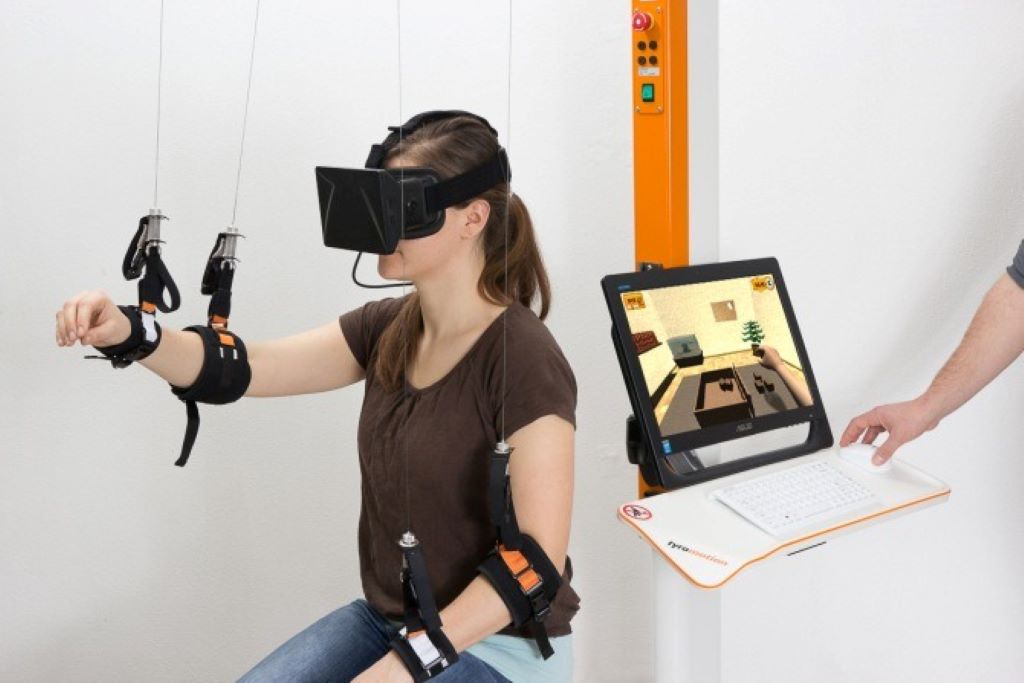
Rehabilitation is often grueling, but AI and VR make it engaging. Virtual reality immerses patients in interactive exercises, boosting motivation. AI customizes these, tracking progress and adjusting difficulty. For instance, stroke patients use VR games to regain motor skills, while AI monitors their movements. A friend’s father, recovering from a stroke, found VR therapy fun and effective. His therapist noted faster recovery compared to traditional methods. Research shows VR rehabilitation cuts recovery time by 30% (Neuro Rehab VR).
Furthermore, AI-driven VR supports mental health. Patients with PTSD engage in virtual exposure therapy, guided by AI to manage triggers. This approach feels safer than real-world exposure. Yet, accessibility remains a hurdle—VR headsets are costly. Training therapists to use these tools also takes time. Despite these challenges, the personalized, engaging nature of AI-enhanced VR therapy is transforming rehabilitation, offering hope to patients.
Addressing Ethical and Technical Challenges
The merger of AI and virtual reality in healthcare isn’t without hurdles. Ethical concerns, like data privacy, are paramount. AI systems require vast patient data, raising risks of breaches. VR platforms must ensure secure environments. A colleague’s hospital faced a data scare, highlighting the need for robust cybersecurity. Additionally, algorithmic bias in AI could lead to unequal care. Developers must prioritize fairness to build trust.
Technical challenges also abound. VR systems demand high computing power, and latency issues can disrupt experiences. Integrating AI with VR requires seamless hardware-software compatibility. For example, a 2025 report noted 15% of VR systems faced latency problems (ResearchGate). Overcoming these requires innovation, like edge computing. Despite these obstacles, collaborative efforts between tech firms and healthcare providers are paving the way for reliable, ethical solutions.
Image Source
Common Challenges in AI-VR Integration:
- Data Privacy: Ensuring patient data remains secure.
- Cost: High expenses limit accessibility.
- Bias: AI algorithms may favor certain demographics.
- Technical Issues: Latency and compatibility problems persist.
The Future of AI and VR in Healthcare
The future of AI and VR in healthcare is bright yet complex. Innovations like tele-rehabilitation and AI-driven diagnostics are on the horizon. Imagine a world where patients recover at home using VR, guided by AI therapists. Wearable devices will enhance data accuracy, refining treatments. A pilot program at Johns Hopkins is already testing this, with promising results. However, scaling these technologies requires investment and regulation.
Moreover, public-private partnerships will drive progress. Collaborations, like the NIH’s BRAIN Initiative, are accelerating VR development (NIH). Yet, regulatory gaps could slow adoption. Policymakers must balance innovation with safety. Patients and providers also need training to embrace these tools. The potential to make healthcare more accessible and personalized is immense, but strategic planning is key to realizing this vision.
Tips for Adopting AI-VR in Healthcare:
- Invest in staff training for seamless integration.
- Prioritize patient-centered design in VR systems.
- Partner with tech firms for scalable solutions.
- Monitor AI algorithms to prevent bias.
Conclusion: A New Era for Healthcare
The fusion of AI and VR to create smarter healthcare solutions is reshaping medicine. From immersive training to personalized therapy, these technologies are making care more effective and accessible. Stories of students mastering skills and patients recovering faster highlight their impact. Yet, challenges like cost and ethics demand attention. As we move forward, embracing innovation while addressing hurdles will define healthcare’s future. Share your thoughts or experiences with AI and VR in healthcare below—let’s spark a conversation!
FAQs
How do AI and VR improve medical training?
AI tailors VR simulations to individual performance, enhancing skill acquisition and teamwork.
What are the benefits of AI-VR in rehabilitation?
They offer engaging, personalized therapy, reducing recovery time and improving patient motivation.
Are there risks with AI-VR in healthcare?
Yes, data privacy, algorithmic bias, and high costs are significant concerns.
How accessible are AI-VR healthcare solutions?
Currently limited by cost, but innovations aim to make them more widely available.
What’s the future of AI-VR in healthcare?
Tele-rehabilitation and AI-driven diagnostics will expand, improving access and personalization.
Read More:
Solving the Explainable AI Black Box Problem
Overcome Social Media Addiction: Top Recovery Apps to Reclaim Your Time