

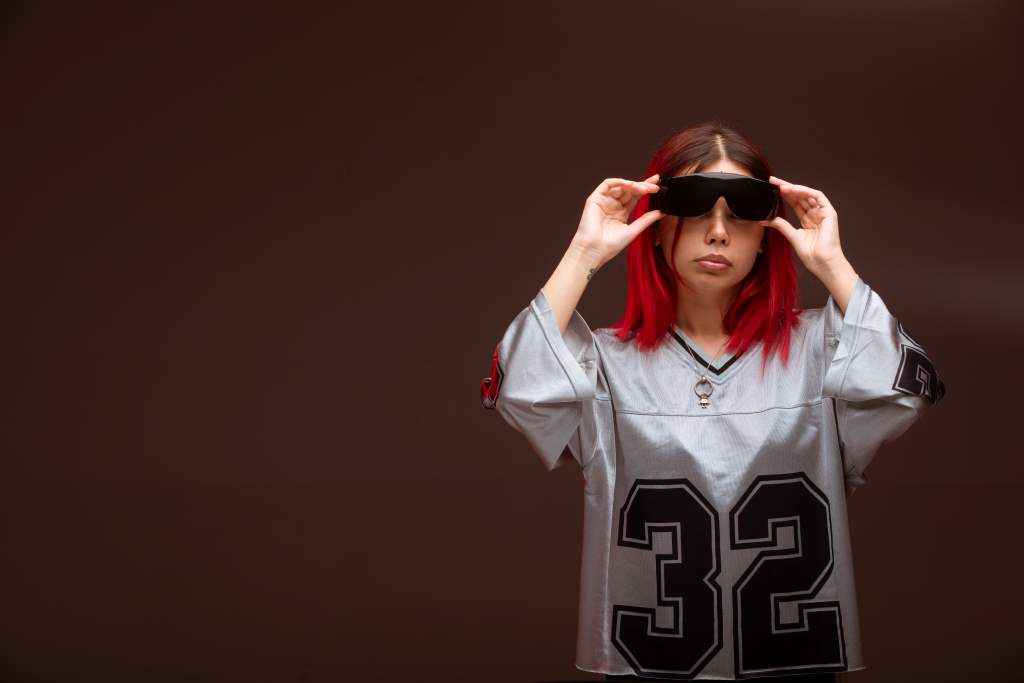
Imagine slipping into a virtual gown that mirrors a real-world designer piece, twirling in a digital runway, and owning it as a unique NFT. This is the magic of a digital twin in NFT fashion. A digital twin is a virtual replica of a physical fashion item, linked to a non-fungible token (NFT) for ownership and authenticity. It blends technology and style, transforming how we interact with fashion. In this storytelling guide, I’ll take you through my journey of discovering digital twins, explaining their role in NFT fashion, benefits, challenges, and future. Let’s dive into this exciting world and uncover what makes digital twins a game-changer.
Understanding Digital Twins in Fashion
A digital twin is a virtual model of a physical object, like a dress or sneaker, created using advanced tech like 3D modeling. In NFT fashion, it’s paired with a blockchain-based NFT, ensuring you own the digital version. Think of it as a digital collectible with real-world ties. I first encountered this when I bought a virtual jacket from a blockchain marketplace. It felt surreal to “wear” it in a virtual space, knowing it was uniquely mine. According to a 2023 Deloitte study, 60% of fashion brands are exploring digital twins for sustainability and innovation. This tech lets designers test creations virtually, reducing waste. It’s not just fashion—it’s a new way to own and experience style.
How Digital Twins Work in NFT Fashion
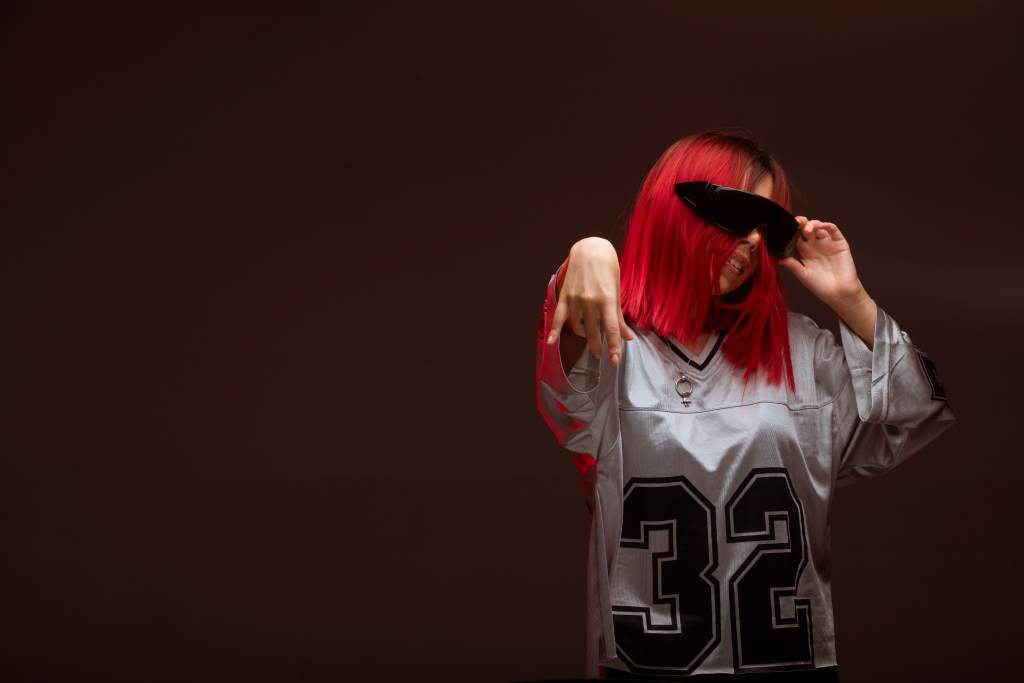
Creating a digital twin starts with scanning a physical item using tools like 3D scanners. The digital model is then uploaded to a blockchain, linked to an NFT for ownership proof. You can display it in virtual worlds or AR apps. When I tried this, I used an app to project my NFT dress onto my avatar—it was like stepping into a sci-fi movie. The blockchain ensures no one can copy your digital twin, making it exclusive. However, the process requires high-tech skills and tools, which can be costly. Platforms like The Fabricant are leading this space, offering tools to create and trade digital fashion. It’s a seamless blend of tech and creativity.
Benefits of Digital Twins in NFT Fashion
Digital twins bring exciting perks to fashion lovers and creators. Here’s why they’re gaining traction:
- Sustainability: Virtual designs cut physical production, reducing environmental impact.
- Exclusivity: NFTs ensure your digital twin is one-of-a-kind, boosting its value.
- Accessibility: Try outfits virtually without buying physical items, saving money.
- Creativity: Designers can experiment with bold, impractical virtual designs.
- Global Reach: Digital fashion transcends borders, reaching audiences worldwide.
- Resale Value: NFTs can be resold, potentially increasing in value over time.
I felt empowered owning a digital sneaker that I could flaunt in virtual spaces. A 2024 McKinsey report notes that digital fashion could save 20% of production costs for brands. These benefits make digital twins a revolutionary step for fashion.
Challenges of Digital Twins in NFT Fashion
Despite their promise, digital twins face hurdles. The tech is complex, requiring expertise in 3D modeling and blockchain. This can exclude smaller designers. Additionally, the environmental cost of blockchain energy use is a concern. I once struggled to understand wallet setups for NFT purchases—it’s not user-friendly for beginners. High costs for creating digital twins can also deter brands. Consumer skepticism about owning “virtual” items persists, as many prefer tangible goods. Finally, digital fashion lacks universal platforms, fragmenting the market. Addressing these challenges is key to mainstream adoption, but the potential rewards make it worth tackling these obstacles.
The Role of Blockchain in Digital Twins
Blockchain is the backbone of digital twins in NFT fashion. It records ownership, ensuring your digital item is authentic and unique. When I bought my first NFT dress, the blockchain gave me confidence that it wasn’t a fake. Smart contracts automate transactions, like reselling your digital twin. However, blockchain’s complexity can intimidate newcomers. Platforms like Ethereum and Polygon are popular for NFT fashion, offering secure transactions. Still, high transaction fees, known as gas fees, can be a drawback. As blockchain tech evolves, it’s becoming more accessible, paving the way for digital twins to redefine fashion ownership with trust and transparency.
Applications of Digital Twins in Fashion
Digital twins are transforming fashion beyond virtual closets. Brands use them for virtual try-ons, letting you “wear” clothes via AR before buying. I tried this with a virtual hat, seeing how it fit my style without leaving home. Designers also use digital twins to prototype, cutting costs and waste. Luxury brands like Gucci are launching NFT collections, blending physical and digital fashion. Virtual fashion shows, powered by digital twins, let global audiences attend without travel. Additionally, gamers wear digital twins in metaverse platforms like Decentraland. These applications show how digital twins bridge physical and virtual worlds, creating new fashion experiences.
The Future of Digital Twins in NFT Fashion
The future of digital twins in NFT fashion is vibrant. As AR and VR tech advance, wearing digital twins will feel more real. I dream of a day when my digital wardrobe syncs with my real one, blending seamlessly. Brands will likely integrate AI to personalize digital twins, tailoring designs to your taste. Blockchain improvements will lower costs, making NFT fashion accessible to all. Virtual influencers, already popular, will drive demand for digital twins. However, ethical concerns, like data privacy, must be addressed. The fashion industry is at a turning point, and digital twins will lead the charge, redefining how we express style.
Common Mistakes to Avoid with Digital Twins
Navigating digital twins in NFT fashion can be tricky. Here are mistakes to dodge:
- Ignoring Blockchain Fees: High gas fees can surprise first-time buyers.
- Skipping Research: Not all NFT platforms are secure—vet them carefully.
- Overlooking Compatibility: Ensure your digital twin works in your virtual platform.
- Neglecting Wallet Security: Protect your NFT wallet to avoid theft.
- Assuming Easy Resale: NFT markets fluctuate, so resale isn’t guaranteed.
- Misunderstanding Ownership: Digital twins don’t always include physical items.
- Rushing Purchases: Hasty buys can lead to scams or low-value NFTs.
Learning from my early NFT missteps, like overlooking fees, helped me shop smarter. Avoiding these pitfalls ensures a smoother digital fashion journey.
Tips for Embracing Digital Twins in NFT Fashion
Want to dive into digital twins? Here’s how to start:
- Research Platforms: Explore trusted marketplaces like The Fabricant or Rarible.
- Start Small: Buy affordable NFTs to learn the ropes without breaking the bank.
- Join Communities: Engage in Discord groups for NFT fashion tips and trends.
- Check Compatibility: Ensure your digital twin works in your preferred virtual world.
- Secure Your Wallet: Use strong passwords and two-factor authentication.
- Stay Updated: Follow fashion tech blogs for the latest digital twin trends.
- Experiment Freely: Try bold virtual designs you’d avoid in real life.
These tips helped me confidently build my digital wardrobe, and they’ll guide you too.
Conclusion
Digital twins in NFT fashion are more than a trend—they’re a revolution. From owning exclusive virtual designs to reducing fashion’s environmental footprint, they’re reshaping how we experience style. My journey into this world, from buying my first NFT dress to exploring virtual runways, showed me their potential. Despite challenges like high costs and tech complexity, the benefits outweigh the hurdles. As technology evolves, digital twins will become a staple in fashion, blending creativity and innovation. Ready to explore this exciting space? Share your thoughts in the comments or spread the word about digital twins in NFT fashion!
FAQs
What is a digital twin in NFT fashion?
A digital twin is a virtual replica of a physical fashion item, linked to an NFT for ownership.
How do I buy a digital twin in NFT fashion?
Purchase on platforms like The Fabricant, using a crypto wallet to secure the NFT.
Are digital twins in NFT fashion sustainable?
Yes, they reduce physical production, cutting waste and environmental impact significantly.
Can I wear digital twins in real life?
No, but you can display them in virtual worlds or AR apps for digital experiences.
What’s the future of digital twins in NFT fashion?
Advancements in AR, VR, and blockchain will make digital twins more accessible and immersive.