

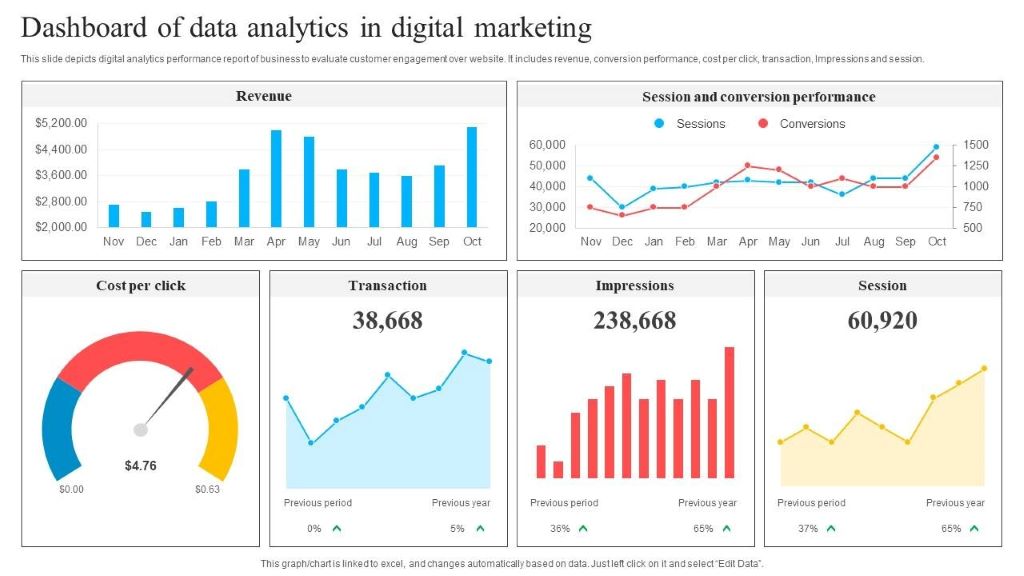
In today’s hyper-connected world, the consumer journey is no longer a linear path. It has shattered into hundreds of real-time, intent-driven moments. These are the micro-moments when people reflexively turn to a device to act on a need—to learn something, do something, discover something, or buy something. For marketers, winning these moments is the new battleground for consumer hearts, minds, and dollars. Understanding this landscape is crucial, and forward-thinking agencies like Seller Spike are pioneering strategies that transform these fleeting interactions into lasting customer relationships. The key to unlocking this potential lies not in guesswork, but in the precise application of micro-moment analytics.
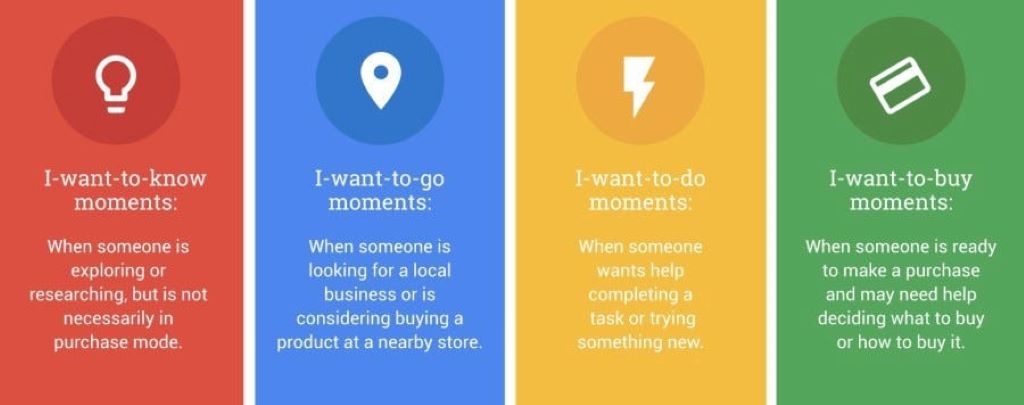
The concept, originally coined by Google, identifies four critical touchpoints: I-want-to-know, I-want-to-go, I-want-to-do, and I-want-to-buy moments. These are not just buzzwords; they represent a fundamental shift in consumer behavior. People now expect brands to deliver exactly what they need, the instant they need it. To meet this demand, businesses must be present and useful in these moments of intent. Success hinges on the ability to dissect user data to anticipate needs and provide immediate, relevant solutions. This is where the practical application of data becomes paramount, as having clear examples of data driven decision in digital marketing provides the roadmap for navigating this complex environment. Therefore, mastering micro-moment analytics is no longer an option but a necessity for any digital campaign aiming for relevance and high performance.
Understanding the Four Core Micro-Moments
Before diving into the analytics, it is essential to have a firm grasp of what each micro-moment represents. Each one signifies a distinct type of consumer intent, and recognizing them is the first step toward building a responsive digital strategy.
- I-Want-to-Know Moments: This is driven by curiosity. A user isn’t necessarily in a purchasing mindset but is seeking information. They might be researching a product, looking up a fact, or trying to solve a problem. Brands that provide helpful, educational content during this phase build trust and establish themselves as an authority.
- I-Want-to-Go Moments: This moment reflects a user’s desire to connect with the physical world. They are often looking for a local business, searching for directions, or checking store hours. For brick-and-mortar businesses, winning this moment is directly tied to foot traffic and in-store sales.
- I-Want-to-Do Moments: This is about taking action, whether it’s learning a new skill or tackling a task. Users are looking for practical guidance, such as “how-to” videos, recipes, or DIY tutorials. Brands that provide this utility create a strong, positive association with their products or services.
- I-Want-to-Buy Moments: This is the critical point where a user is ready to make a purchase. They are seeking help in deciding what to buy or how to buy it. At this stage, they are looking for reviews, pricing, and a seamless checkout process. Being present and persuasive here directly translates to conversions.
The Power of Analytics: Turning Moments into Opportunities
Micro-moment analytics involves collecting and interpreting data signals to understand user intent in real time. It’s about moving beyond traditional metrics like page views and session duration to focus on the context behind user actions. This granular approach allows marketers to be proactive rather than reactive.
Identifying High-Intent Signals
The foundation of micro-moment analytics is the ability to identify signals of high intent. These signals come from various data sources and, when combined, paint a clear picture of what a user needs at that exact moment. Key data points include:
- Search Queries: The specific words a user types into a search engine are the most direct signal of their intent. A query like “emergency plumber near me” shows a far more urgent need than “how to fix a slow drain.”
- Geolocation Data: Knowing a user’s physical location is crucial for I-want-to-go moments. It allows you to serve location-specific ads, provide directions, or show inventory at a nearby store.
- Device Type: Is the user on a mobile device or a desktop? Mobile usage often indicates immediacy and an on-the-go context, which is common for I-want-to-go and I-want-to-do moments.
- Time of Day: A search for “coffee shops open now” at 6 AM carries a different weight than the same search at 3 PM. Time provides critical context to a user’s intent.
Data in Action: Real-World Micro-Moment Strategies
Theory is one thing, but practical application is what drives results. Let’s explore how data analytics fuels effective decision-making within each type of micro-moment.
Winning the “I-Want-to-Know” Moment
Imagine a homeowner who discovers a small water stain on their ceiling. Their immediate reaction is to pull out their phone and search, “what causes a ceiling water stain?” This is a classic I-want-to-know moment.
- Data to Analyze: A roofing company would analyze keyword data from tools like Google Search Console and SEMrush. They would identify long-tail keywords and questions related to roof leaks, attic condensation, and plumbing issues. They would also look at “People Also Ask” sections on Google to understand related queries.
- Data-Driven Decision: Based on this data, the company decides to create a comprehensive blog post titled “5 Common Causes of Ceiling Water Stains (and How to Identify Them).” The article is optimized for the identified keywords, features helpful images, and includes an embedded video tutorial. This content doesn’t push a hard sale. Instead, it provides genuine value, positioning the company as a helpful expert. As a result, when the homeowner later needs a roof repair, that company is top-of-mind.
Capturing the “I-Want-to-Go” Moment
A tourist is exploring a new city and, around lunchtime, searches for “best tacos near me.” This is a high-intent, location-sensitive I-want-to-go moment.
- Data to Analyze: A local taqueria would analyze their Google Business Profile (GBP) insights. They would pay close attention to how many users found them via “discovery” searches (e.g., “mexican food”) versus “direct” searches (searching for the restaurant by name). They would also analyze data on which queries led to clicks on the “Directions” or “Call” buttons.
- Data-Driven Decision: The data shows that most of their foot traffic comes from discovery searches on mobile devices within a two-mile radius. In response, the taqueria runs hyper-local Google Ads targeting users searching for “tacos,” “lunch,” or “mexican restaurant” within that radius. The ad creative highlights a lunch special and uses an ad extension to display their 5-star rating and a prominent “Get Directions” link. This ensures they are visible and compelling at the exact moment a potential customer is nearby and hungry.
Assisting the “I-Want-to-Do” Moment
Someone buys a new piece of flat-pack furniture. They get home, open the box, and feel overwhelmed by the complex instructions. They search on their phone, “how to assemble bookshelf.”
- Data to Analyze: The furniture brand analyzes its on-site search data and YouTube channel analytics. They notice a high volume of searches for assembly instructions for specific products. Their YouTube data shows that short, step-by-step videos have the highest completion rates and positive engagement.
- Data-Driven Decision: Using this insight, the brand creates a library of high-quality, mobile-friendly assembly videos for their most popular products. They add a QR code to the physical instruction manual in the box that links directly to the relevant video. This simple, data-informed action drastically improves the customer experience, reduces frustration, and decreases calls to their customer support line. Additionally, it fosters brand loyalty by being helpful long after the initial purchase.
Closing the “I-Want-to-Buy” Moment
A user has been researching new running shoes. They have read reviews and know the exact model they want. Now, they are searching for best price. This is a transactional, I-want-to-buy moment.
- Data to Analyze: An online shoe retailer analyzes their Google Analytics conversion funnel data. They notice a significant drop-off rate on their product pages and at the shipping information stage of the checkout. Website heatmaps show that users are hovering over the shipping cost section before leaving.
- Data-Driven Decision: The retailer hypothesizes that unexpected shipping costs are causing cart abandonment. They decide to run an A/B test. Version A keeps the current pricing structure, while Version B offers “Free Shipping on Orders Over $50.” The data from the test quickly shows that Version B has a 15% higher conversion rate. Armed with this insight, the company confidently switches to a permanent free shipping offer, directly addressing the friction point and capturing more sales during these critical buying moments.
Conclusion
The digital landscape is no longer about broad campaigns that shout at the masses. It is about quiet, helpful conversations with individuals at their precise moment of need. Micro-moment analytics provides the language for these conversations. By collecting and interpreting data signals related to user intent, location, and context, brands can move from simply being present to being genuinely useful. The examples of data-driven decisions—from creating helpful content for a curious researcher to streamlining the checkout for a ready-to-buy shopper—illustrate that success in modern marketing is a science. It is about understanding the fleeting moments that make up the new consumer journey and using analytics to win them, one helpful interaction at a time.
Frequently Asked Questions
-
What are the four main types of micro-moments?
The four main types of micro-moments are I-want-to-know (informational intent), I-want-to-go (locational intent), I-want-to-do (instructional intent), and I-want-to-buy (transactional intent). Each represents a different stage of consumer need.
-
How does micro-moment analysis differ from traditional web analytics?
Traditional web analytics often focuses on historical, session-based metrics like page views, bounce rate, and time on site. Micro-moment analytics, however, is more focused on real-time, intent-driven signals like specific search queries, location data, and device type to understand the immediate context and need of the user.
-
Can small businesses effectively use micro-moment analytics?
Absolutely. Small businesses can leverage free and accessible tools like Google Analytics and Google Business Profile Insights to understand user behavior. By analyzing search queries that lead to their site and patterns in calls or direction requests, they can make informed decisions to better serve local customers in their moments of need.
-
What is the biggest challenge in implementing a micro-moment strategy?
The biggest challenge is often organizational speed and data integration. To be useful in a micro-moment, brands must be able to analyze data and deliver a relevant experience almost instantly. This requires having the right technology in place and breaking down internal silos between marketing, sales, and customer service teams.
-
How do privacy regulations like GDPR and CCPA affect micro-moment analytics?
Privacy regulations require marketers to be transparent about data collection and to obtain user consent. This means that while you can still analyze data, you must do so responsibly. The focus shifts toward using anonymized data for trends and being explicit about personalization, giving users control over their information while still aiming to provide a helpful, relevant experience.
Related Topics:
How to Diagnose Smartphone Charging Port Lint Issues
Design That Converts: Overlooked UX Mistakes Costing Clients