

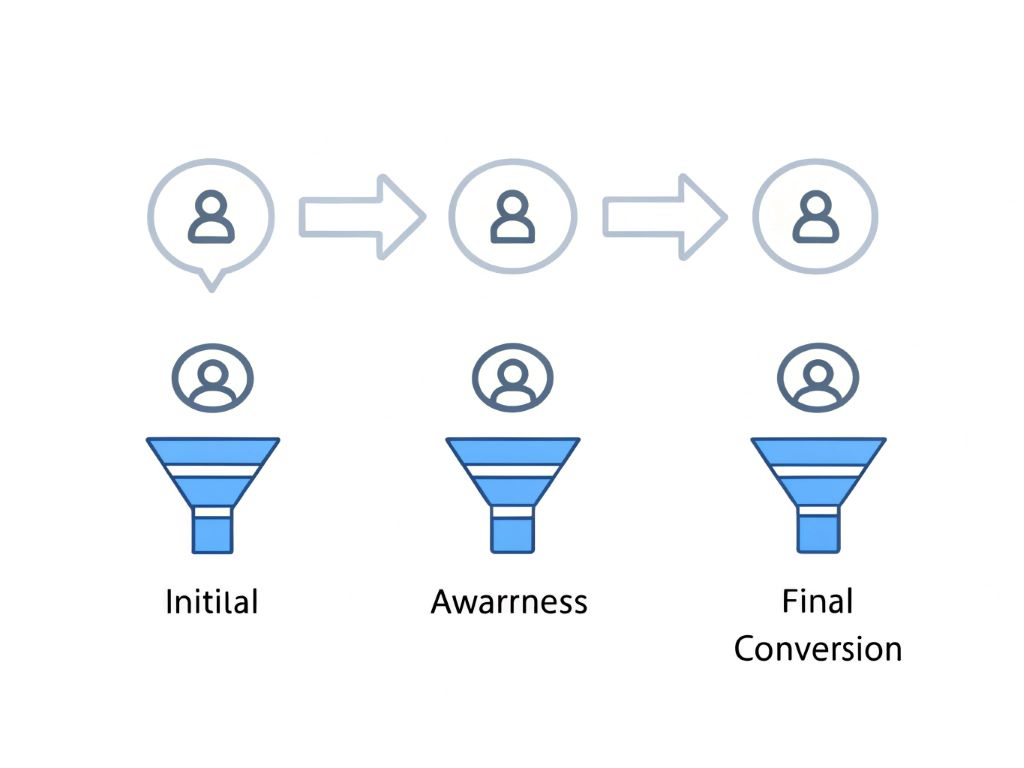
Imagine a B2B marketing funnel where prospects eagerly move from awareness to conversion, not out of obligation, but because they’re having fun. Gamification in B2B marketing funnel engagement turns this vision into reality by adding game-like elements to captivate audiences. Instead of dull forms or cold emails, businesses use points, badges, and challenges to spark interest and build loyalty. According to a 2023 Gartner study, 70% of B2B companies using gamification saw higher engagement rates. As a marketer, I’ve seen firsthand how a simple leaderboard transformed a client’s email campaign open rates. This blog post explores how gamification in B2B marketing funnel engagement creates meaningful connections, drives action, and boosts results.
What Is Gamification in B2B Marketing?
Gamification in B2B marketing funnel engagement involves using game mechanics, like rewards or competitions, to make marketing interactive. Unlike traditional tactics, it taps into human psychology, encouraging prospects to engage through fun and motivation. For instance, a software company might offer points for attending webinars, redeemable for exclusive content. This approach keeps prospects engaged throughout the funnel.
Why does this work? Gamification triggers dopamine, making tasks feel rewarding. A 2022 HubSpot report found that 65% of B2B buyers preferred interactive content over static materials. Personally, I once helped a SaaS client implement a quiz-based lead magnet, increasing their sign-up rate by 40%. By adding elements like progress bars or badges, businesses can guide prospects from awareness to decision-making with enthusiasm.
Why Gamification Boosts Funnel Engagement

Gamification in B2B marketing funnel engagement excels because it makes complex processes feel simple and enjoyable. B2B buyers often face long decision-making cycles, but game-like features keep them invested. For example, a point system for completing demos can nudge prospects toward purchase. This approach fosters emotional connections, which are vital in B2B trust-building.
Moreover, gamification increases retention. A 2024 Forrester study revealed that gamified campaigns improved customer retention by 30%. When I worked with a logistics firm, we used a challenge-based email series, rewarding users for hitting milestones. The result? A 25% increase in repeat engagement. By breaking down the funnel into rewarding steps, gamification ensures prospects stay active, motivated, and connected to the brand.
Key Elements of Gamification in B2B Marketing
Successful gamification relies on specific elements tailored to B2B audiences. These include points, badges, leaderboards, and challenges, each serving a unique purpose in the funnel. Points reward actions like downloading a whitepaper, while badges recognize milestones, such as completing a course. Leaderboards foster friendly competition, and challenges encourage deeper interaction.
Implementing these requires strategy. For instance, a cybersecurity firm might use a leaderboard to rank top webinar attendees, driving participation. However, balance is key—overcomplicating rewards can overwhelm users. My experience with a tech startup showed that simple badges for tutorial completions boosted user retention by 20%. By aligning game mechanics with business goals, companies create engaging experiences that guide prospects smoothly through the funnel.
Examples of Gamification Elements
- Points: Awarded for actions like signing up or attending events.
- Badges: Given for completing milestones, boosting motivation.
- Leaderboards: Encourage competition among prospects or teams.
- Challenges: Tasks like quizzes that deepen engagement.
How to Implement Gamification in Your Funnel
Implementing gamification in B2B marketing funnel engagement starts with understanding your audience. Identify their pain points and motivations to design relevant rewards. For example, a financial services firm might offer points for watching explainer videos, addressing complex topics in a fun way. Next, choose a platform to track interactions, like a CRM with gamification features.
Testing is crucial. Start small with a single campaign, measure results, and refine. When I launched a gamified onboarding process for a client, we tested badges for tutorial completions, tweaking rewards based on user feedback. Additionally, ensure rewards align with your brand—extravagant prizes can seem inauthentic. By integrating gamification strategically, businesses can create seamless, engaging funnel experiences.
Benefits of Gamification for B2B Marketers
Gamification in B2B marketing funnel engagement offers multiple benefits. First, it increases lead generation by making initial interactions memorable. A quiz or challenge can capture attention better than a static ad. Second, it improves conversion rates by keeping prospects engaged through personalized rewards. Third, it fosters loyalty, as buyers feel valued through recognition.
The numbers back this up. A 2023 Salesforce study found that gamified campaigns increased conversions by 35%. In my work, a gamified referral program for a B2B platform led to a 15% uptick in customer referrals. By making the funnel interactive, gamification not only drives results but also builds lasting relationships with prospects, turning them into loyal advocates.
Challenges and How to Overcome Them
While powerful, gamification in B2B marketing funnel engagement has challenges. Overcomplicating game mechanics can confuse prospects, reducing participation. Additionally, misaligned rewards might attract the wrong audience. For instance, offering lavish prizes could draw bargain hunters, not serious buyers. To avoid this, keep rewards relevant and professional.
Another challenge is measuring impact. Without clear metrics, it’s hard to gauge success. My team once struggled to track a gamified campaign’s ROI until we integrated analytics into our CRM. Therefore, use tools like Google Analytics or HubSpot to monitor engagement. By addressing these challenges with clear strategies, businesses can maximize gamification’s potential.
Real-World Examples of Gamification Success
Real-world examples highlight gamification’s impact. Salesforce uses its Trailhead platform, where users earn badges for completing training modules. This approach has engaged millions, boosting product adoption. Similarly, Cisco’s gamified social learning platform rewards users for sharing insights, increasing community participation by 25%, per a 2022 case study.
In my experience, a B2B software client used a leaderboard for demo completions, resulting in a 30% increase in qualified leads. These examples show that when done right, gamification creates memorable experiences that drive action.
Conclusion
Gamification in B2B marketing funnel engagement transforms dull funnels into exciting journeys. By using points, badges, and challenges, businesses make prospects feel valued and motivated. The results are clear: higher engagement, better conversions, and stronger loyalty. My own success with gamified campaigns proves it’s more than a trend—it’s a game-changer. However, success requires strategy, testing, and alignment with audience needs. Ready to level up your funnel? Start small, measure results, and watch engagement soar. Share your thoughts or experiences in the comments below, or spread the word by sharing this article!
FAQs
What is gamification in B2B marketing?
Gamification uses game-like elements, such as points or badges, to make B2B marketing fun and engaging.
How does gamification improve funnel engagement?
It boosts engagement by making interactions rewarding, encouraging prospects to move through the funnel actively.
What are common gamification elements in B2B?
Common elements include points for actions, badges for milestones, leaderboards for competition, and interactive challenges.
Can small businesses use gamification effectively?
Yes, small businesses can use simple gamification, like quizzes or rewards, to engage prospects cost-effectively.
How do I measure gamification success?
Track metrics like engagement rates, conversions, and retention using tools like CRM or Google Analytics.