

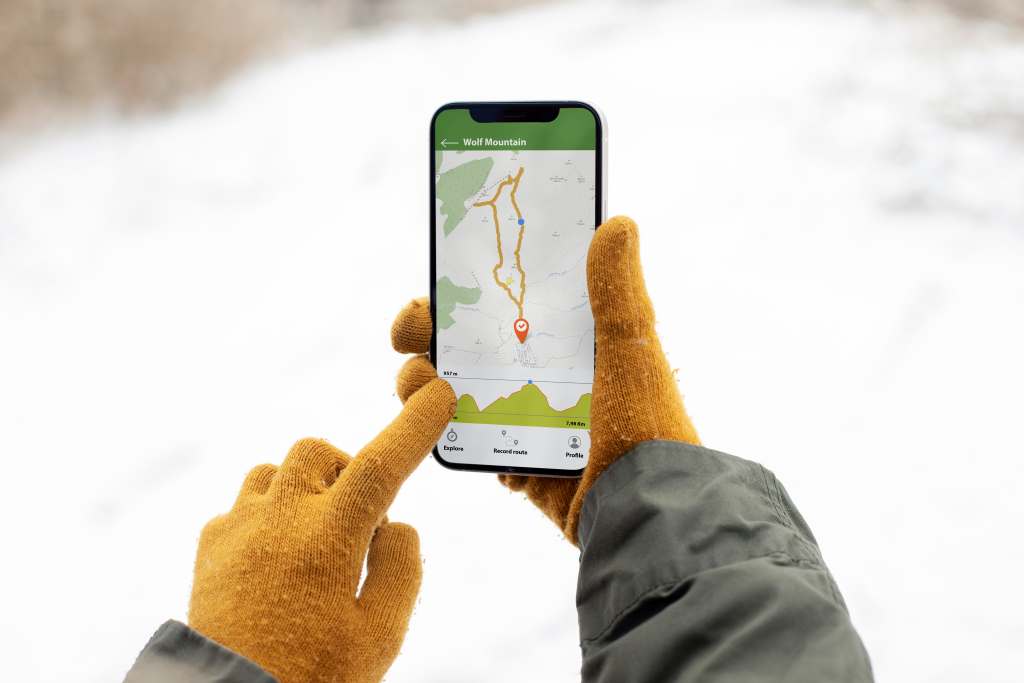
Imagine hiking through a dense forest, your phone guiding you via a GPS-intensive outdoor navigation app, only to see the battery icon flash red. Frustrating, right? Optimizing battery consumption for GPS apps is crucial for adventurers relying on tools like AllTrails or Gaia GPS. These apps drain power fast due to constant location tracking. However, with smart tweaks, you can extend your device’s life and stay on track. This post shares practical tips to save battery while using navigation apps, blending personal stories and expert advice. According to a 2023 study by Battery University, GPS usage can drain a smartphone battery in under 6 hours. Let’s explore how to optimize battery consumption and keep your adventures powered.
Why GPS Apps Drain Your Battery
GPS-intensive outdoor navigation apps, like Strava or Komoot, rely on continuous location tracking, which consumes significant power. The GPS chip in your device communicates with satellites, demanding constant energy. Additionally, screen brightness and background processes amplify battery drain. For instance, a bright screen on a sunny hike can double power usage. According to a 2022 study by TechRadar, GPS apps can reduce battery life by 20% per hour on average.
I once hiked Mount Lafayette, relying on my phone’s GPS app. Halfway up, my battery dropped to 30%, despite starting at 80%. This experience taught me that understanding battery consumption is key. Features like real-time tracking and map rendering push your device’s limits. Therefore, optimizing battery consumption starts with knowing what’s eating your power.
Adjust Your App Settings for Efficiency
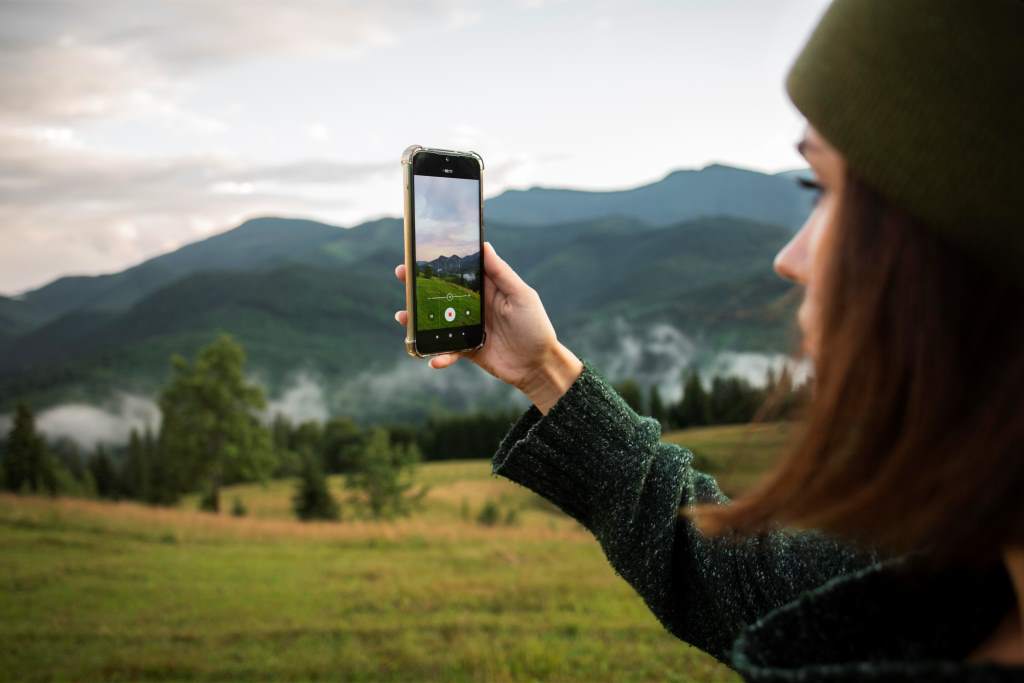
One way to optimize battery consumption is by tweaking app settings. Most navigation apps offer low-power modes that reduce location updates. For example, AllTrails allows you to lower GPS polling frequency, saving energy. Additionally, disable features like live tracking or 3D maps when not needed. These adjustments can extend battery life significantly.
Start by exploring your app’s settings. Turn off notifications and background refreshes to prevent unnecessary power use. On a recent camping trip, I switched my app to low-power mode and gained an extra 2 hours of battery life. According to a 2024 report by PCMag, low-power modes can cut battery drain by up to 15%. Therefore, small changes in settings can make a big difference for GPS-intensive outdoor navigation apps.
Optimize Your Device Settings
Your phone’s settings play a huge role in optimizing battery consumption. Lowering screen brightness is a quick win, as displays account for up to 40% of battery use, per Battery University’s 2023 findings. Use auto-brightness or manually dim the screen during hikes. Additionally, enable airplane mode in areas with poor signal to prevent your device from searching for networks, which drains power.
Another tip is to disable Wi-Fi and Bluetooth when not in use. During a kayaking trip, I forgot to turn off Bluetooth, and my battery drained 25% faster. Closing unused apps also helps, as they may run background processes. By tweaking these settings, you can stretch your battery life for GPS-intensive outdoor navigation apps, ensuring you stay powered longer.
Use Offline Maps to Save Power
Downloading offline maps is a game-changer for optimizing battery consumption. Online maps require constant data connections, which drain your battery. Apps like Gaia GPS let you download maps for offline use, reducing data usage. This method also works in remote areas with no signal. A 2023 study by TechCrunch found that offline maps can save up to 30% of battery life compared to online streaming.
Before my last backpacking trip, I downloaded offline maps for the Appalachian Trail. My phone lasted 8 hours longer than usual. To use offline maps, download them over Wi-Fi before your trip. Ensure you cover the entire area you’ll explore. This simple step keeps your GPS-intensive outdoor navigation apps running efficiently without draining your battery.
Carry a Portable Power Bank
A portable power bank is a reliable backup for GPS-intensive outdoor navigation apps. These devices provide extra juice when your phone’s battery runs low. Choose a lightweight, high-capacity power bank (10,000mAh or more) for outdoor adventures. During a multi-day trek in the Rockies, my power bank saved me when my phone died mid-navigation.
To maximize efficiency, charge your phone in short bursts rather than fully charging it. Also, keep your power bank in a cool, dry place to maintain its performance. According to a 2024 GearLab review, power banks can extend device usage by 2–3 times. Pairing a power bank with optimized settings ensures your GPS app stays functional throughout your journey.
Update Apps and Firmware Regularly
Keeping your GPS-intensive outdoor navigation apps and device firmware updated can optimize battery consumption. Developers often release updates to improve energy efficiency. For example, a 2024 update to Komoot reduced battery drain by 10%, per user reports on TechRadar. Similarly, phone firmware updates optimize power management.
I learned this the hard way during a biking trip when an outdated app crashed, draining my battery faster. Check for updates before heading out, and install them over Wi-Fi. Regular updates ensure your apps run smoothly, using less power. Additionally, clear app caches to free up resources. By staying updated, you can maximize battery life for GPS-intensive outdoor navigation apps.
Choose Energy-Efficient Apps
Not all GPS apps are equal when it comes to battery consumption. Some, like Map My Run, are designed to be energy-efficient, using fewer resources than others. Research apps before downloading to find ones optimized for battery life. For instance, apps with simplified interfaces tend to consume less power.
When I switched from a heavy app to a lighter one for a trail run, my battery lasted 3 hours longer. Check user reviews on platforms like Google Play for insights on battery performance. Additionally, test apps on short trips to gauge their efficiency. Choosing the right app can significantly optimize battery consumption for your outdoor adventures.
Practical Tips for Long Adventures
For extended trips, combine multiple strategies to optimize battery consumption. Here are some practical tips:
- Enable Battery Saver Mode: This limits background processes and reduces power use.
- Use a High-Efficiency Charger: Fast chargers can top up your device quickly during breaks.
- Monitor Battery Usage: Check which apps consume the most power and adjust accordingly.
On a 3-day hike, I used these tips and kept my phone alive the entire trip. Plan ahead by charging devices fully and carrying backup power. According to Battery University, combining these tactics can extend battery life by up to 50%. By preparing thoroughly, you ensure GPS-intensive outdoor navigation apps work without draining your device.
Conclusion
Optimizing battery consumption for GPS-intensive outdoor navigation apps is essential for uninterrupted adventures. By adjusting app and device settings, using offline maps, and carrying a power bank, you can keep your device powered. My hikes taught me that small tweaks, like lowering screen brightness or updating apps, make a big difference. With these strategies, you can explore confidently without fearing a dead battery. According to TechCrunch, optimized settings can save up to 30% of battery life. Try these tips on your next trip, and share your experience in the comments below or spread the word by sharing this post!
FAQs
Why do GPS apps drain my battery so quickly?
GPS apps use constant satellite communication and screen activity, which consume significant power.
How can offline maps save battery life?
Offline maps reduce data usage, cutting battery drain by up to 30%, per TechCrunch.
What’s the best power bank for outdoor trips?
Choose a lightweight, 10,000mAh power bank for reliable charging during long adventures.
Do app updates really help with battery consumption?
Yes, updates often improve energy efficiency, reducing battery drain by up to 10%.
How does screen brightness affect GPS app battery use?
High brightness can account for 40% of battery drain, per Battery University’s findings.
Have you tried these battery-saving tips? Share your story in the comments or share this article with fellow adventurers!