

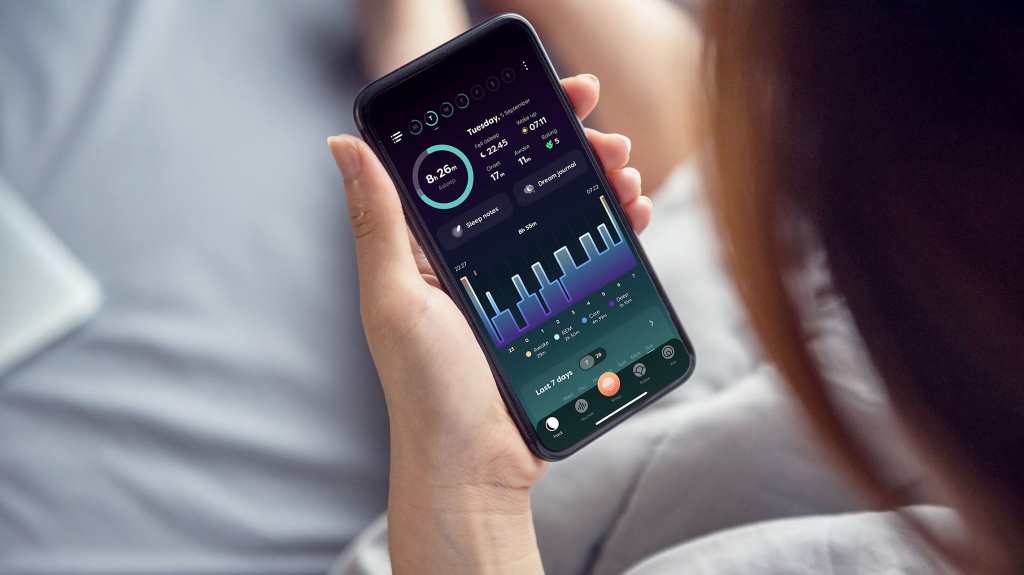
Tossing and turning, I wondered if my sleep tracking app was keeping my data safe. Sleep tracking apps and wearables promise better rest, but what about data privacy? These devices collect sensitive details, like heart rate and sleep patterns, raising concerns about how this information is used. With data breaches on the rise, understanding data privacy in sleep tracking is crucial. This article explores how these apps handle your personal data, why it matters, and how you can protect yourself. Join me as we dive into the world of sleep tracking and uncover the truth about data privacy practices.
What Are Sleep Tracking Apps and Wearables?
Sleep tracking apps and wearables monitor your sleep patterns, offering insights to improve rest. Devices like Fitbit or apps like Sleep Cycle use sensors to track movement, heart rate, and sleep stages. These tools help users understand their sleep quality, but they collect sensitive data. According to a 2023 study by Pew Research, 60% of Americans use health apps, yet many are unaware of data privacy risks.
These apps often sync with cloud servers, storing personal information like sleep schedules and health metrics. This data can be shared with third parties, raising privacy concerns. Understanding what data is collected and how it’s used is the first step to protecting yourself. Transitioning to safer practices starts with knowing the basics of these tools.
Why Data Privacy Matters in Sleep Tracking
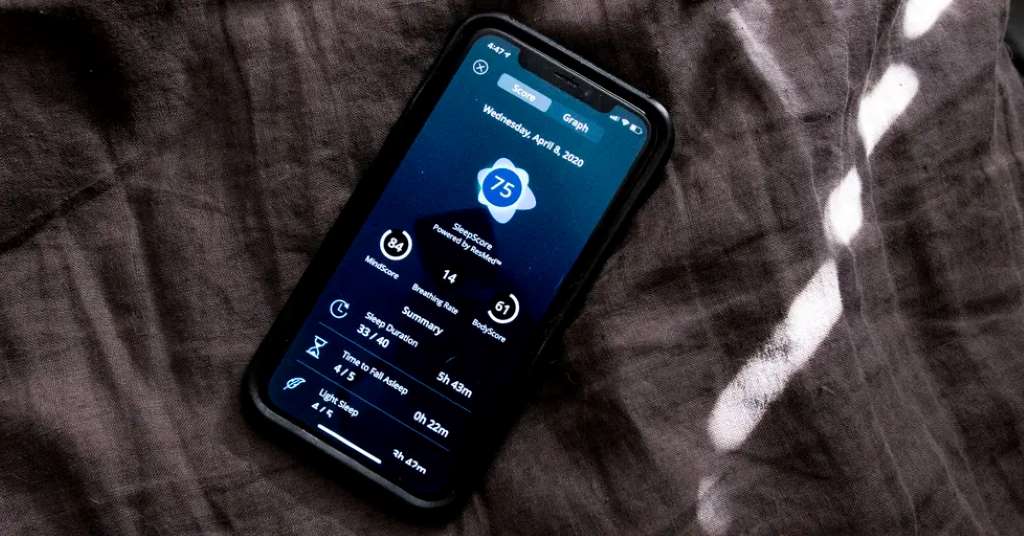
Data privacy in sleep tracking is critical because these apps handle sensitive health information. Your sleep data can reveal personal habits, medical conditions, or even mental health patterns. If mishandled, this information could be sold or leaked. A 2022 report by the Mozilla Foundation found that 80% of health apps have weak privacy policies, exposing users to risks.
Hackers target health data for its value on the dark web. Additionally, companies may share your data with advertisers without clear consent. My own experience with a sleep app left me uneasy when I noticed targeted ads for sleep aids after using it. This made me question how my data was being shared. Protecting your data privacy ensures your personal information stays secure and private.
How Sleep Tracking Apps Collect and Store Data
Data Collection Methods
Sleep tracking apps gather data through sensors in wearables or smartphones. For example, accelerometers detect movement, while heart rate monitors track vitals. Some apps even use microphones to record snoring. This data is often sent to cloud servers for analysis. According to a 2024 study by Statista, 70% of wearable users don’t fully understand what data their devices collect.
Data Storage Practices
Once collected, your data is stored on app servers, often with encryption. However, not all apps use strong security measures. Weak encryption or poor server protection can lead to breaches. I once used a sleep app that didn’t clarify its storage practices, making me hesitant to continue. Checking an app’s privacy policy can reveal how it handles your data, helping you make informed choices.
Risks of Poor Data Privacy Practices
Poor data privacy practices in sleep tracking apps can expose users to serious risks. Data breaches are a major concern, with health data being a prime target. In 2023, IBM reported that healthcare data breaches cost an average of $10.9 million per incident. Leaked sleep data could reveal sensitive health details, leading to identity theft or fraud.
Additionally, apps may share data with third parties, like advertisers, without user consent. This can result in unwanted targeted ads or even discrimination by insurers. I felt uneasy when a sleep app asked for unnecessary permissions, like access to my contacts. Choosing apps with transparent privacy policies can reduce these risks. Therefore, understanding potential dangers is key to staying safe.
How to Spot Trustworthy Sleep Tracking Apps
Check Privacy Policies
A trustworthy sleep tracking app has a clear, easy-to-read privacy policy. Look for details on data collection, storage, and sharing. Apps like Fitbit and Oura often provide transparent policies. If an app’s policy is vague, it’s a red flag. I learned this the hard way when an app’s fine print revealed data sharing with unknown partners.
Look for Certifications and Encryption
Trusted apps use strong encryption, like AES-256, to protect data. Certifications from organizations like ISO 27001 indicate robust security. Additionally, check if the app complies with laws like GDPR or HIPAA. Reading user reviews can also reveal privacy concerns. By choosing apps with strong security measures, you can sleep easier knowing your data is safe.
Tips to Protect Your Data Privacy
Protecting your data privacy with sleep tracking apps requires proactive steps. Here are some practical tips:
- Read Privacy Policies: Always check how your data is collected and shared.
- Limit Permissions: Deny unnecessary access, like location or contacts.
- Use Strong Passwords: Secure your app account with a unique password.
- Update Regularly: Keep apps and devices updated to patch security flaws.
- Choose Reputable Apps: Opt for apps from trusted developers with good reviews.
I started reviewing app permissions after noticing one requested access to my camera, which felt invasive. Regularly checking settings can prevent unwanted data sharing. Taking these steps ensures your sleep data stays private and secure.
The Future of Data Privacy in Sleep Tracking
The future of data privacy in sleep tracking looks promising but challenging. New regulations, like the EU’s GDPR, are pushing companies to prioritize user privacy. However, not all regions have strict laws, leaving gaps in protection. Emerging technologies, like blockchain, could offer decentralized data storage, reducing breach risks. Yet, adoption is slow due to cost.
Consumers are also becoming more aware, demanding transparency. I’ve noticed more apps now highlight their privacy features, likely due to user pressure. A 2024 survey by Deloitte found that 65% of users want clearer data privacy controls. As technology evolves, balancing innovation with privacy will be key. Staying informed and choosing privacy-focused apps will shape a safer future for sleep tracking.
Conclusion
Data privacy in sleep tracking apps and wearables is more important than ever. These tools offer valuable insights but come with risks if your data isn’t secure. By understanding how apps collect and store data, spotting trustworthy ones, and taking protective steps, you can safeguard your personal information. My journey with sleep tracking taught me to prioritize privacy, and I hope this guide helps you do the same. Let’s push for transparency and security in sleep tech. Share your thoughts or experiences in the comments below, or spread the word by sharing this article!
FAQs
How do sleep tracking apps collect my data?
They use sensors like accelerometers and heart rate monitors to track movement and vitals, often storing data in the cloud.
Are sleep tracking apps safe to use?
Many are safe, but check for strong encryption and clear privacy policies to ensure your data is protected.
Can my sleep data be sold to third parties?
Yes, if the app’s privacy policy allows it. Always read the fine print to understand data-sharing practices.
What laws protect my sleep data?
Laws like GDPR and HIPAA offer some protection, but coverage varies by region and app compliance.
How can I protect my data when using wearables?
Use strong passwords, limit permissions, update apps regularly, and choose reputable apps with transparent policies.