


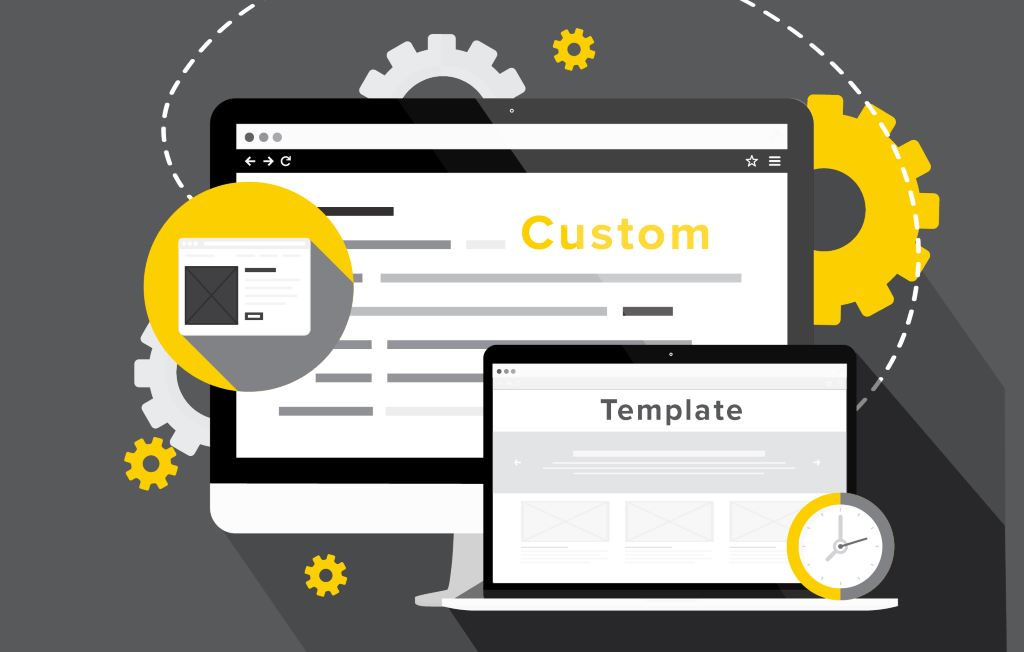
Choosing between templates and custom builds for a website in 2025 can feel overwhelming. Website owners face endless options, from quick templates to tailored custom solutions. Each path offers unique benefits, but picking the right one depends on your goals, budget, and audience. This article explores what website owners need to know in 2025 to make informed decisions. Whether you’re launching a blog or an e-commerce platform, understanding these choices ensures success. Let’s dive into the pros, cons, and trends shaping website development today.
Why Website Choice Matters in 2025
The digital landscape evolves fast, and your website is your online storefront. In 2025, user expectations demand fast, responsive, and visually appealing sites. Templates and custom builds cater to different needs, but choosing wisely impacts performance. A poorly chosen option can harm user experience or scalability.
Templates offer speed and affordability. Platforms like Wix or Squarespace let you launch quickly. However, custom builds provide flexibility for unique designs and complex features. According to a 2024 HubSpot study, 62% of users abandon sites with slow load times. Therefore, your choice affects engagement and conversions. Consider your business size and long-term goals before deciding.
Benefits of Using Website Templates
Templates are a go-to for many website owners in 2025. They’re cost-effective, often costing under $100 annually. Platforms like WordPress and Shopify provide thousands of pre-designed options. You can set up a site in hours without coding skills.
Moreover, templates are beginner-friendly. They come with drag-and-drop editors and built-in SEO tools. For small businesses, this saves time and money. A 2023 Statista report shows 43% of small businesses use templates for their websites. However, templates may limit customization. If your brand needs a unique look, you might feel restricted. Still, they’re ideal for startups or bloggers on tight budgets.
My Experience with Templates
A few years ago, I launched a blog using a WordPress template. The setup took one afternoon, and I loved the simplicity. However, as traffic grew, I needed features the template couldn’t support. This taught me templates work best for simple projects but may fall short for scaling businesses.
Advantages of Custom Website Builds
Custom builds shine for businesses needing distinct branding or functionality. In 2025, consumers value unique experiences, and custom sites deliver. You control every pixel, from design to features like e-commerce integrations or custom forms.
Additionally, custom builds scale better. If your business grows, a custom site adapts without limitations. They also optimize performance, as developers code for speed and SEO. According to a 2024 Google study, 53% of mobile users leave sites taking over three seconds to load. Custom builds ensure fast load times. However, they require higher budgets, often starting at $5,000, and take weeks to develop. For large businesses, the investment pays off.
Key Considerations for Templates in 2025
Templates suit website owners seeking speed and simplicity. In 2025, platforms like Wix and Squarespace offer AI-driven design tools. These adapt layouts to your content, saving time. Templates also include mobile optimization, crucial since 60% of web traffic comes from mobile devices, per a 2024 Statista report.
However, templates have drawbacks. Many users share the same design, reducing uniqueness. Customization is limited, and advanced features may require costly plugins. For example, adding a custom checkout to a Shopify template can increase expenses. Therefore, evaluate your needs. If you prioritize speed and low costs, templates work. For complex sites, consider other options.
When to Choose a Custom Build
Custom builds fit businesses with specific goals. In 2025, industries like e-commerce and tech rely on tailored solutions. A custom site reflects your brand’s personality and meets unique needs, like bespoke user dashboards or integrations.
Moreover, custom builds future-proof your site. As trends shift, developers can update features without starting over. They also enhance SEO through clean code and fast performance. However, the process demands collaboration with skilled developers, which raises costs. If your budget allows and you need a standout site, custom builds are worth it. Assess your resources and vision before committing.
Trends Shaping Website Development in 2025
Website development in 2025 blends innovation and user focus. AI tools now enhance both templates and custom builds. For instance, AI can auto-generate content or optimize layouts. Voice search optimization is also rising, with 50% of searches expected to be voice-based by 2025, per a 2023 Comscore study.
Additionally, accessibility is non-negotiable. Templates and custom builds must comply with WCAG standards to serve all users. Minimalist designs with bold visuals dominate, as they boost engagement. Whether you choose a template or custom build, staying updated ensures your site remains competitive.
Cost Comparison: Templates vs. Custom Builds
Cost often drives decisions for website owners in 2025. Templates are budget-friendly, with platforms like Wix starting at $14 monthly. Premium templates may cost $50–$200 upfront. Maintenance is minimal, as updates are handled by the platform.
Custom builds, however, demand higher investments. Basic custom sites start at $5,000, while complex ones exceed $20,000. You’ll also pay for ongoing maintenance, like hosting and updates. Despite the cost, custom builds offer long-term value for unique or scaling projects. Weigh your budget against your goals to choose wisely.
SEO Considerations for Both Options
SEO remains critical in 2025 for driving traffic. Templates often include built-in SEO tools, like meta tags and sitemaps. Platforms like WordPress integrate Yoast SEO for easy optimization. However, shared templates can lead to duplicate content issues, hurting rankings.
Custom builds offer superior SEO control. Developers optimize code, speed, and structure for search engines. For example, custom sites can implement schema markup for better visibility. Both options require ongoing SEO efforts, like keyword research and link building. To learn more, check Google’s Search Essentials.
Scalability and Maintenance Needs
Templates are easy to maintain, with platforms handling updates. However, scaling is tricky. Adding features like custom APIs often requires workarounds or premium plans. This can frustrate growing businesses.
Custom builds excel in scalability. Developers design with future growth in mind, like adding e-commerce or multilingual support. Maintenance, though, is hands-on. You’ll need developers for updates or fixes, increasing costs. Evaluate your growth plans. If you expect rapid expansion, custom builds are better. For static sites, templates suffice.
Making the Right Choice in 2025
Choosing between templates and custom builds depends on your needs. Templates suit small budgets, quick launches, or simple sites like blogs. They’re user-friendly and low-maintenance. Custom builds, however, offer unmatched flexibility for unique designs or complex functionality.
Consider your goals, budget, and technical skills. If you’re a small business owner, a template might be enough. For larger brands, a custom build ensures long-term success. Test both options if possible. For example, start with a template and upgrade to a custom build later. This hybrid approach balances cost and growth.
Conclusion
In 2025, website owners must weigh templates against custom builds carefully. Templates offer speed and affordability, ideal for startups or small projects. Custom builds provide flexibility and scalability for unique or growing businesses. Both paths require SEO focus and trend awareness to succeed. By understanding your needs, you can choose the best option. What’s your experience with templates or custom builds? Share your thoughts in the comments or spread this article to help others decide!
FAQs
What are website templates?
Templates are pre-designed layouts for websites. They’re affordable, easy to use, and quick to set up, ideal for beginners or small businesses.
Why choose a custom website build?
Custom builds offer unique designs and advanced features. They suit businesses needing tailored solutions or scalability for growth.
How much do templates cost in 2025?
Templates cost $14–$200 annually, depending on the platform. Premium options or plugins may increase expenses slightly.
Are custom builds worth the high cost?
Yes, for businesses needing unique branding or complex features. They ensure better performance, SEO, and long-term scalability.
Which option is better for SEO in 2025?
Custom builds offer better SEO control with clean code. Templates work well with built-in tools but may face duplicate content issues.