

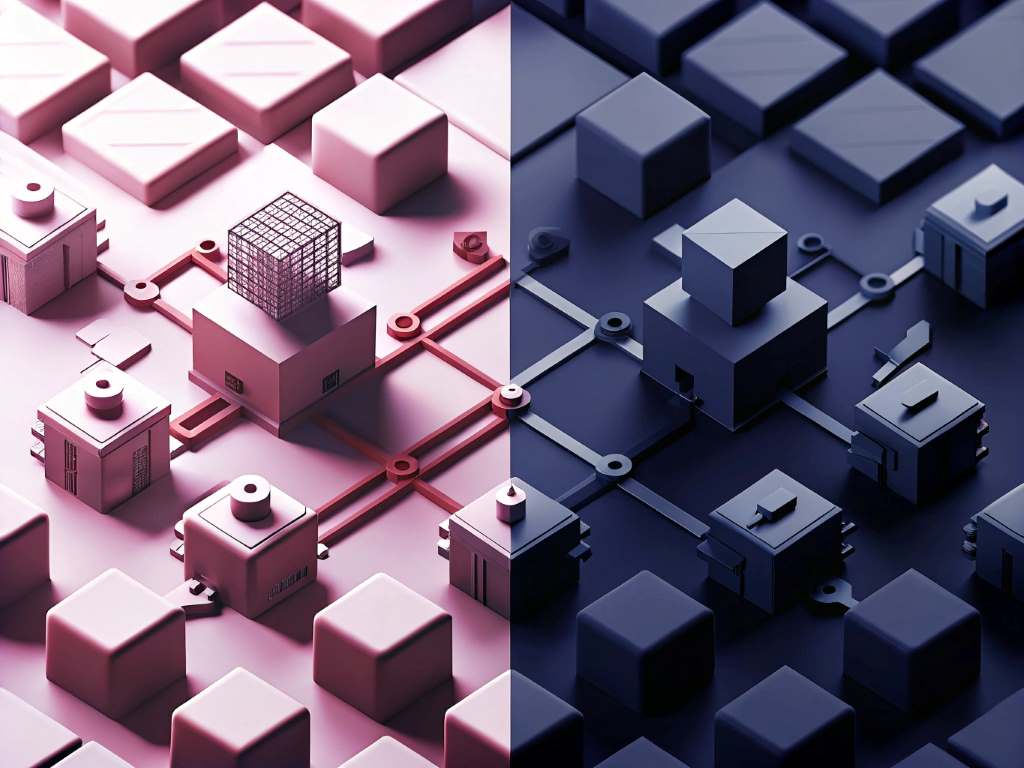
Imagine a world where every product’s journey from factory to consumer is transparent, efficient, and secure. That’s the promise of emerging technologies like blockchain vs artificial intelligence (AI) in supply chain management. As a logistics manager, I’ve seen shipments delayed by paperwork errors and inventory vanish due to miscommunication. Blockchain offers a tamper-proof ledger to track goods, while AI predicts demand and optimizes routes. Both are game-changers, but which excels for supply chain management? This post dives into a comparative analysis, exploring how blockchain and AI reshape logistics. Let’s unravel their strengths, weaknesses, and real-world impact to help you decide.
What is Blockchain in Supply Chain Management?
Blockchain is a digital ledger that records transactions across a network, ensuring transparency and security. In supply chain management, it tracks goods from origin to destination. Each step—production, shipping, delivery—is logged in a tamper-proof system. For instance, Walmart uses blockchain to trace food products, reducing recall times from days to seconds. According to IBM, 71% of supply chain leaders plan to adopt blockchain by 2026 for its transparency.
However, blockchain’s complexity can be a hurdle. Implementing it requires technical expertise and investment. Small businesses may struggle with costs, and integration with legacy systems is tricky. Still, its ability to prevent fraud and ensure trust makes it a powerful tool for supply chain management.
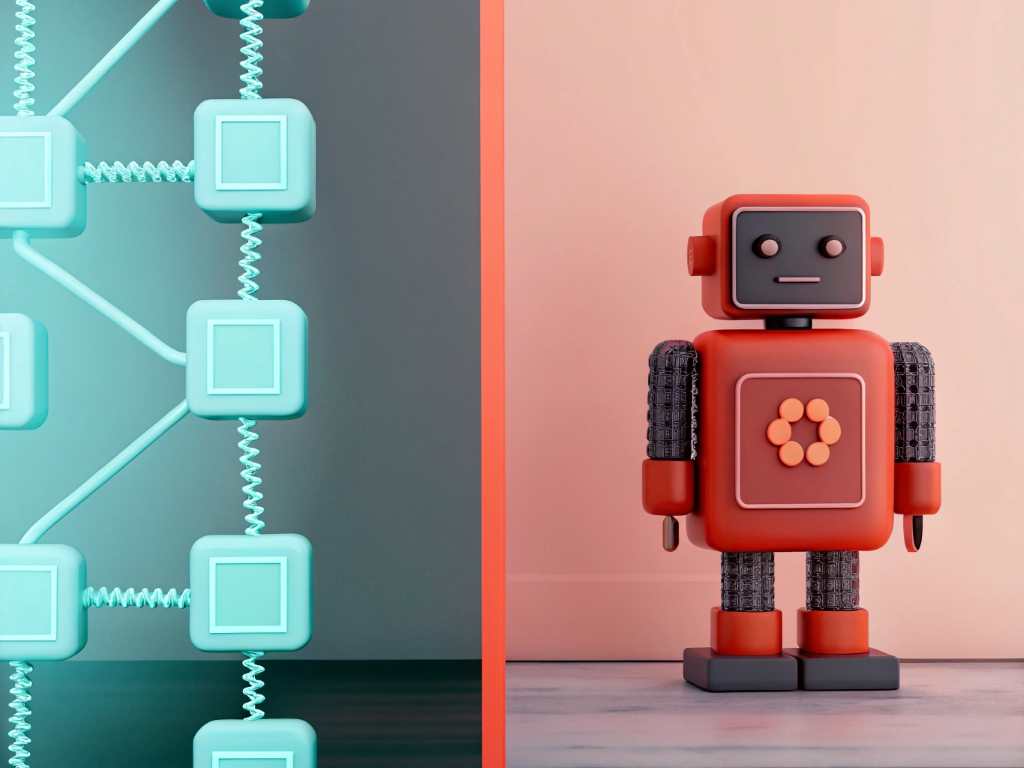
How Does AI Transform Supply Chain Management?
Artificial intelligence analyzes vast data to make smart decisions. In supply chain management, AI predicts demand, optimizes inventory, and streamlines logistics. For example, Amazon uses AI to forecast customer orders, reducing overstock by 20%, per a McKinsey report. AI also enhances route planning, cutting fuel costs and delivery times.
Yet, AI isn’t perfect. It relies on quality data—garbage in, garbage out. Training models can be expensive, and over-reliance risks automation bias. Despite these challenges, AI’s ability to adapt and learn makes it invaluable for dynamic supply chains. My team once used AI to reroute shipments during a storm, saving thousands in delays.
Blockchain vs. AI: Key Strengths for Supply Chain Management
Blockchain shines in transparency and trust. Its decentralized ledger ensures no single party controls data, reducing fraud. For instance, Maersk’s TradeLens platform uses blockchain to share shipping data, cutting paperwork by 40%. This is ideal for industries like pharmaceuticals, where provenance is critical.
AI, conversely, excels in efficiency and prediction. It analyzes patterns to optimize operations. DHL’s AI-driven logistics cut delivery times by 15%, according to a Gartner study. AI adapts to real-time changes, like traffic or demand spikes, which blockchain can’t do. Both technologies address different pain points in supply chain management, making their strengths complementary.
- Blockchain: Ensures transparency, reduces fraud, tracks goods securely.
- AI: Boosts efficiency, predicts demand, optimizes routes dynamically.
Challenges and Limitations of Blockchain and AI
Blockchain’s immutability is a double-edged sword. While secure, correcting errors is nearly impossible. Scalability is another issue—large networks slow down, increasing costs. Small firms may find blockchain’s upfront costs daunting, limiting adoption. Additionally, interoperability between blockchain platforms remains a challenge.
AI’s limitations lie in data dependency and ethics. Poor data leads to inaccurate predictions, and biased algorithms can skew results. Training AI models requires significant resources, which may exclude smaller players. Moreover, over-automation risks job losses, a concern I’ve heard from warehouse staff. Both technologies, while powerful, demand careful implementation in supply chain management.
Blockchain and AI in Action
Blockchain’s real-world impact is striking. In 2018, I consulted for a coffee exporter using blockchain to track beans from Ethiopian farms to global markets. Buyers verified fair trade practices, boosting sales by 10%. De Beers uses blockchain to trace diamonds, ensuring conflict-free sourcing. These cases show blockchain’s power in building consumer trust.
AI’s applications are equally transformative. UPS uses AI to optimize delivery routes, saving 50 million miles annually, per a 2023 Forbes report. My experience with AI-driven demand forecasting helped a retailer avoid stockouts during the holidays. AI’s predictive power keeps supply chains agile, while blockchain ensures traceability. Together, they create robust systems.
Which Technology Suits Your Supply Chain Needs?
Choosing between blockchain and AI depends on your goals. If transparency and trust are priorities—say, for food safety or luxury goods—blockchain is ideal. Its ledger ensures every stakeholder sees the same data. However, if efficiency and adaptability matter most, AI’s predictive capabilities are unmatched. For instance, e-commerce giants prioritize AI for speed.
Many businesses blend both. A hybrid approach uses blockchain for tracking and AI for optimization. According to Deloitte, 53% of supply chain executives plan to integrate both by 2027. Evaluate your budget, data infrastructure, and goals. Small firms may start with AI for quick wins, while larger ones can afford blockchain’s infrastructure.
The Future of Supply Chain Management with Blockchain and AI
The future of supply chain management is exciting. Blockchain could standardize global trade records, reducing disputes. AI, meanwhile, will refine predictive models, making supply chains resilient to disruptions like pandemics. Combining both could create “smart” supply chains—transparent and efficient. For example, IBM’s Food Trust network pairs blockchain with AI to ensure food safety and optimize distribution.
However, challenges remain. Scalability, cost, and ethical concerns must be addressed. My hope, as someone in the industry, is that both technologies become accessible to smaller players. Their synergy could redefine logistics, making supply chains faster, fairer, and greener. The journey is just beginning, and the possibilities are endless.
Conclusion
Blockchain and AI are reshaping supply chain management, each with unique strengths. Blockchain ensures transparency and trust, while AI drives efficiency and adaptability. Together, they offer a powerful solution for modern logistics challenges. Whether you’re a small business or a global enterprise, understanding their potential is key. My journey in logistics taught me that embracing technology transforms operations. Explore blockchain and AI to find what fits your needs. Which technology excites you most for supply chain management? Follow our brand category for updates and information. Share your thoughts below or spread the word about this post!
Have insights on blockchain or AI in supply chains? Drop a comment or share this article with your network!
FAQs
How does blockchain improve supply chain transparency?
Blockchain creates a tamper-proof ledger, tracking goods from origin to delivery, ensuring all parties access reliable data.
Can AI reduce supply chain costs?
Yes, AI optimizes routes and predicts demand, cutting fuel and inventory costs, as seen in companies like UPS.
Is blockchain suitable for small businesses?
Blockchain’s high setup costs can challenge small firms, but cloud-based solutions are making it more accessible.
How do AI and blockchain work together?
AI optimizes operations, while blockchain ensures transparent tracking, creating efficient and trustworthy supply chains.
What industries benefit most from these technologies?
Food, pharmaceuticals, and luxury goods gain from blockchain’s traceability, while e-commerce thrives on AI’s efficiency.