

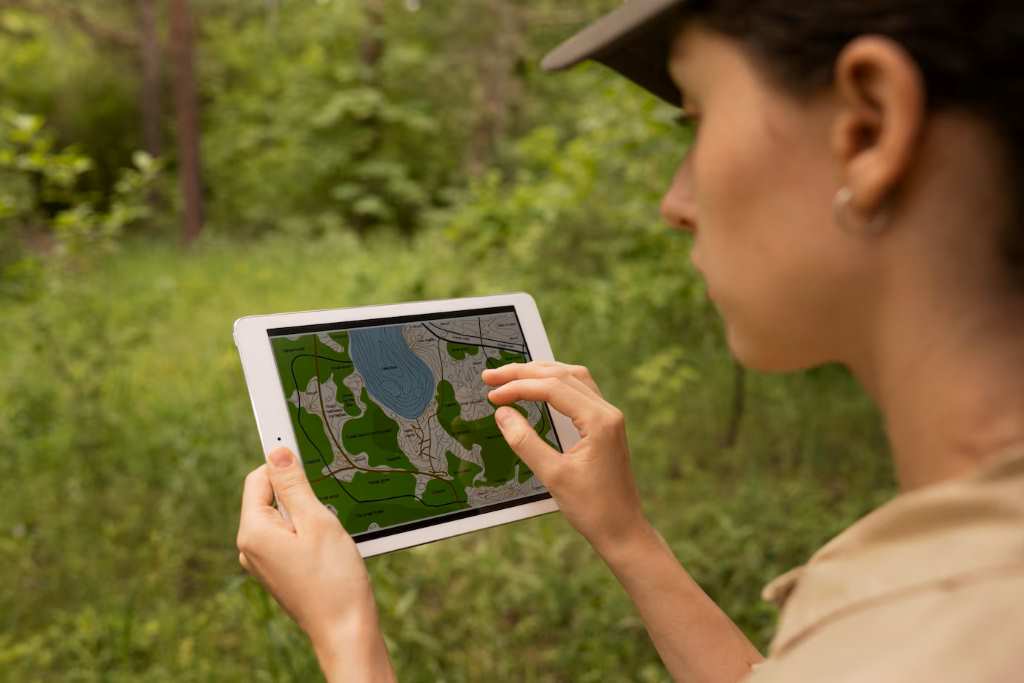
Imagine standing in your backyard, envisioning a lush garden or a cozy patio, but unsure where to start. That was me last summer, staring at my patchy lawn, dreaming of a vibrant outdoor space. I discovered landscape design software for beginners, and it transformed my vision into reality. These tools empower anyone, regardless of experience, to create stunning landscapes with ease. In this guide, I’ll share how landscape design software for beginners can help you craft your dream yard, weaving in my own journey and expert insights to inspire you.
Why Landscape Design Software Matters for Beginners
Landscape design software for beginners simplifies the process of planning outdoor spaces. It offers intuitive interfaces and drag-and-drop features, making it accessible to non-designers. According to a 2023 study by Statista, 68% of homeowners prefer digital tools for home improvement projects, highlighting the growing reliance on such software. These programs allow you to visualize your yard in 2D or 3D, experiment with plants, and adjust layouts without digging a single hole.
My first attempt at landscaping was chaotic—plants died, and my layout felt cluttered. Then, I tried Planner 5D, a beginner-friendly tool. Its vast library of plants and furniture let me test ideas virtually, saving time and money. Beginners benefit from features like pre-designed templates and tutorials, which guide you through the process. Additionally, these tools help avoid costly mistakes, ensuring your garden thrives.

Top Features to Look for in Beginner-Friendly Software
Choosing the right landscape design software for beginners requires understanding key features. Look for tools with user-friendly interfaces, extensive plant libraries, and 2D/3D visualization options. A 2024 report by TechRadar notes that 72% of users prioritize ease of use in design software. Here are essential features to consider:
- Drag-and-Drop Functionality: Simplifies adding elements like trees or patios.
- Plant Databases: Offers details on plant care and climate suitability.
- 3D Rendering: Provides realistic views of your design.
- Templates: Gives beginners a starting point for inspiration.
- Cost Estimation Tools: Helps budget your project accurately.
- Tutorials and Support: Guides new users through the software.
I relied heavily on Planner 5D’s tutorials to learn 3D rendering, which made my patio design pop. These features ensure you can experiment confidently, even without design experience. Moreover, many programs integrate with mobile apps, letting you design on the go.
Best Landscape Design Software for Beginners
Several landscape design software options cater to beginners, each with unique strengths. Based on my experience and research, here are three standout choices:
- Planner 5D: Free with premium options, it offers a vast library and 2D/3D modes. Its simplicity helped me redesign my backyard in a weekend.
- SketchUp Free: Known for its intuitive interface, it’s ideal for basic 3D modeling. A 2025 TechRadar review praises its accessibility for novices.
- DreamPlan: Affordable with a free version, it supports garden and home design. Its plant library was a lifesaver for my flowerbed planning.
Each tool offers tutorials and templates, making them perfect for beginners. For instance, SketchUp’s community forums provided tips when I struggled with terrain modeling. These programs balance functionality and simplicity, ensuring you can create professional-looking designs without a steep learning curve.
How to Use Landscape Design Software Effectively
Using landscape design software for beginners is straightforward if you follow a structured approach. Start by measuring your yard and inputting dimensions into the software. Next, explore templates or create a custom layout. Add elements like plants, pathways, and furniture, adjusting as needed. Finally, use 3D rendering to visualize your design.
My first project with DreamPlan taught me to start small. I focused on a corner garden, adding roses and a bench, then expanded. A 2024 Planner 5D blog suggests spending 10–15 hours mastering basic features, which aligns with my experience. Regularly save your progress and experiment with different layouts. Additionally, check plant compatibility with your climate to avoid real-world failures.
Common Mistakes to Avoid When Using Landscape Design Software
Beginners often make mistakes that hinder their design process. Here are six pitfalls to avoid:
- Ignoring Measurements: Inaccurate dimensions lead to unrealistic designs.
- Overloading Designs: Too many elements create a cluttered look.
- Neglecting Plant Needs: Choosing plants unsuited to your climate wastes effort.
- Skipping Tutorials: Tutorials accelerate learning and prevent frustration.
- Not Saving Work: Always save to avoid losing progress.
- Ignoring Budget Tools: Cost estimation prevents overspending.
I once designed a lavish garden without checking plant hardiness, only to realize my choices wouldn’t survive winter. Tutorials and climate filters in SketchUp saved my next project. By avoiding these mistakes, you’ll create designs that are both beautiful and practical.
Tips for Creating Stunning Landscapes with Software
Crafting a gorgeous landscape with software requires strategy and creativity. Here are seven tips to elevate your designs:
- Start with a Focal Point: A tree or fountain draws the eye.
- Use Layers: Place taller plants at the back for depth.
- Incorporate Hardscapes: Add patios or walkways for functionality.
- Test Lighting Effects: Simulate daylight or night for ambiance.
- Balance Colors: Mix green foliage with vibrant flowers.
- Check Scale: Ensure elements fit your yard’s proportions.
- Seek Inspiration: Browse Gardenista for trends.
When I redesigned my patio, testing lighting in Planner 5D revealed how lanterns enhanced the mood. These tips, combined with software features, help beginners achieve professional results. Moreover, experimenting with different styles fosters creativity and confidence.
The Future of Landscape Design Software for Beginners
The landscape design industry is evolving, with software becoming more intuitive and powerful. A 2025 report by Novatr predicts that AI-driven tools will dominate, offering automated plant suggestions and real-time climate analysis. Beginners will benefit from features like virtual reality walkthroughs, expected to grow 45% by 2027, per Statista. These advancements make design more immersive and accessible.
I’m excited to try upcoming AI features in SketchUp, which promise to simplify plant placement. As software integrates with smart home systems, you’ll control irrigation or lighting from your designs. Therefore, staying updated on trends ensures you leverage the latest tools to create sustainable, stunning landscapes.
Conclusion: Start Your Landscape Journey Today
Landscape design software for beginners transformed my barren backyard into a vibrant oasis. These tools empower anyone to plan, visualize, and execute stunning outdoor spaces with confidence. By choosing user-friendly software like Planner 5D or SketchUp, avoiding common mistakes, and following expert tips, you can bring your dream yard to life. The journey is rewarding, and the results are worth it.
Ready to design your perfect garden? Share your favorite software or design tips in the comments below, or spread the inspiration by sharing this post with friends. Your dream landscape is just a few clicks away!
FAQs
What is the easiest landscape design software for beginners?
Planner 5D is the easiest, offering a free version, drag-and-drop features, and tutorials for quick learning.
Is free landscape design software reliable?
Yes, tools like SketchUp Free and Planner 5D provide reliable features for beginners, though premium versions offer more options.
Can I use landscape design software on my phone?
Many programs, like Planner 5D, have mobile apps, allowing you to design on iOS or Android devices.
How long does it take to learn landscape design software?
Most beginners master basic features in 10–15 hours, depending on the software and tutorials used.
Do I need design experience to use these tools?
No, beginner-friendly software includes templates and guides, making it accessible to anyone without design skills.